After cementing itself as one of the premier CFO leadership organizations in the U.K., Generation CFO — colloquially known as Gen CFO — is expanding into the U.S., entering a market with a growing number of CFO communities and leadership forums.
The move follows the group’s first New York event in April and comes ahead of its upcoming virtual summit later this month, which marks its first large-scale gathering since its expansion to the states. Chris Argent, founder and head of community at Gen CFO, said the expansion was driven in part by engagement from U.S.-based finance leaders.
“Despite being solely focused on the U.K., our conversations are resonating in the U.S. In fact, our largest online audience is from the U.S.,” he said, describing the opportunity as “an open door.”
A different model for CFO communities
Argent said the current ecosystem often reflects transactional dynamics and vendor influence, limiting how conversations take place within finance leadership groups. “It squeezes the conversations we should be having, as all discussions lead to their solution,” he said.
He also described the broader landscape in cultural terms. “When reviewing the CFO community landscape in the U.S., it feels stuffy, formal and elitist,” Argent said.
Gen CFO is structured around what Argent calls a “community-first experience,” with attention on how content is delivered, how connections are formed and how learning continues beyond individual events. “We work hard on how we deliver content, how we connect people, how you continue learning,” he said.
That design is meant to make participation more natural regardless of title or tenure. “Gen CFO treats everyone as a human being, focusing on experience and opinions, not status and credentials alone,” he said.
That philosophy carried through at the group’s U.S. kickoff event on April 16 in New York City, where attendees described a different tone and level of engagement in comments shared with CFO.com.
For Barry Payne, regional vice president for the Americas at AICPA & CIMA, the distinction shows up in what participants take away. “Most networks fall short by stopping at connection and content. They inform, but don’t build the capability, confidence or shared accountability needed to navigate what’s next,” he said. “The Gen CFO approach is plain talk, no-nonsense and real.”
Others pointed to how that experience translates into more practical support. Roman Matatov, a partner at PKF O’Connor Davies, said the model feels “more relationship-driven and community-oriented,” with an emphasis on “genuine experience-sharing, peer learning and long-term connection.” He added that “that combination helps create a stronger and more practical support system for CFOs and senior finance leaders.”
From the perspective of Carla Aranda, senior vice president of finance at L'Oréal, the value comes from the nature of the conversations themselves. “The best ones make space for real conversations around transformation, decision-making, talent, artificial intelligence and leadership and are not overly curated success stories,” she said.
Scaling a community through events and shared insight
The U.S. summit later this month is just a part of a larger plan on how Gen CFO plans to build its U.S. presence. This time around, the virtual summit is serving as a flagship event that now brings together both U.K.- and U.S.-based CFOs in a new setting.
Argent said the event model is designed to support both broad engagement and deeper, ongoing interaction between CFOs globally. Content from larger gatherings will be summarized and shared more widely to inform and motivate a broader audience, while smaller meetups, mastermind sessions and “power hour” discussions remain focused on members.
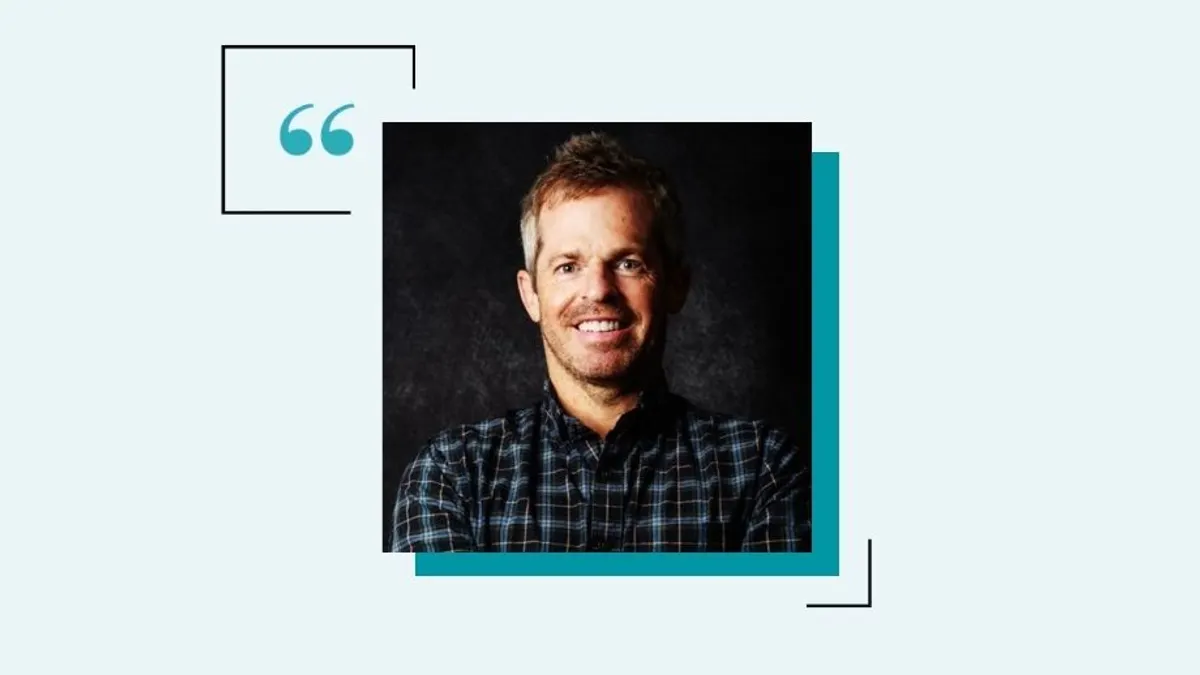
"...the U.S. controller role is 10 years behind the U.K.,”

Chris Argent
Founder and head of community, Generation CFO
Among CFO networking groups in the U.S. now, larger events like those from the CFO Leadership Council usually create shared moments among CFOs and their teams, opportunities to be face-to-face with vendors and moments to hear surface-level ideas. The alternative to that are the smaller sessions that provide space for more direct exchange and relationship building, which are offered by organizations like the CFO Alliance and the F-Suite.
A transatlantic view of the finance function
The expansion will likely create new conversations around how finance roles are developing across regions, particularly in how strategic responsibilities differ depending on geography and culture.
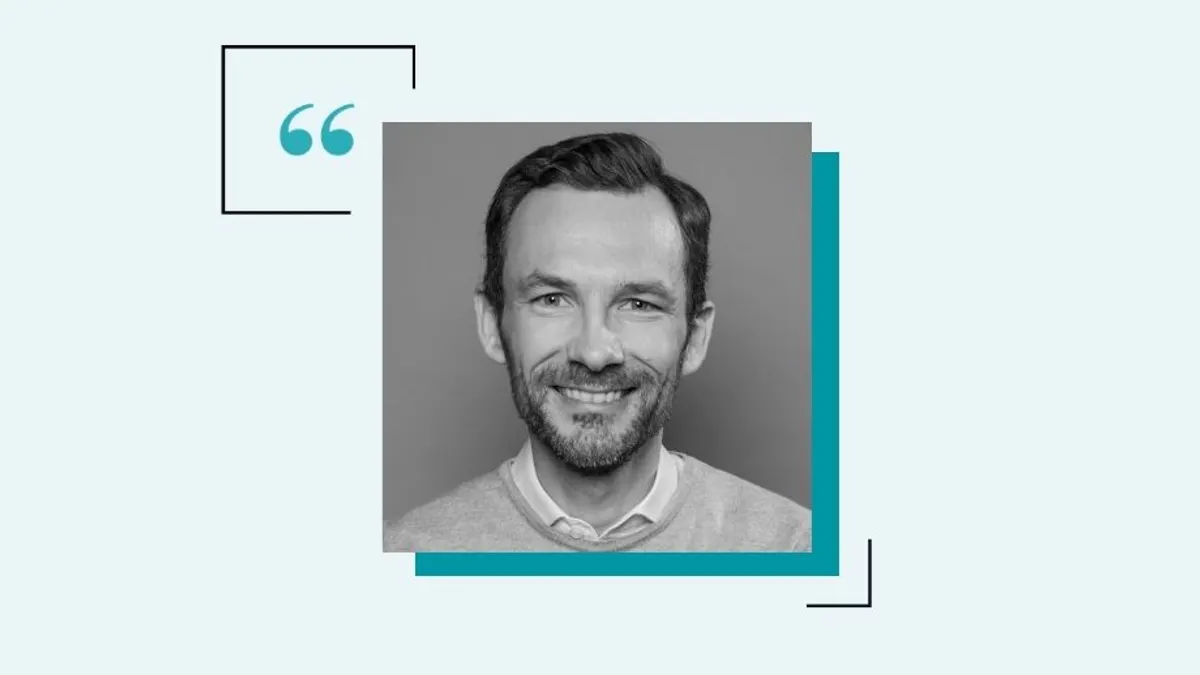
"The strategic partner role is seen as a non-finance role in the U.S., which is preventing controllers and finance leadership [from] moving up the value chain."
Chris Argent
Founder and head of community, Generation CFO
Argent said those differences have been reinforced through conversations beyond the finance function. “I speak to many CFOs in the U.K. and U.S., but more interestingly, I talk to technology CEOs and CMOs [as well],” he said, expanding on how those conversations point to differences in how finance roles are structured in the U.S., particularly at the controller level. “They tell me the U.S. controller role is 10 years behind the U.K.,” Argent said.
He said the way strategic responsibilities are perceived plays a role in that structure. “The strategic partner role is seen as a non-finance role in the U.S., which is preventing controllers and finance leadership [from] moving up the value chain,” he said.
Argent also pointed to how those responsibilities are organized in other regions. “The U.K. and EU have always combined these roles,” he said.
That perspective shapes how Gen CFO is building its U.S. community, with an emphasis on participants who contribute to discussions and engage with peers. “A supportive tech-savvy 30-something VP could be a real community asset, more than an Excel-only CFO in his 50s,” he said.
As the organization builds its presence, Argent described success in terms of how finance teams evolve through participation. The goal, he said, is to influence how teams think, operate and develop over time.
“Success in the U.S. would be for us to help everyone in in-house finance teams change their attitude, behavior, competency and capability,” Argent said. “If the CFO and their teams knew the best way to do this as a community was with Gen CFO, I’d be very happy.”