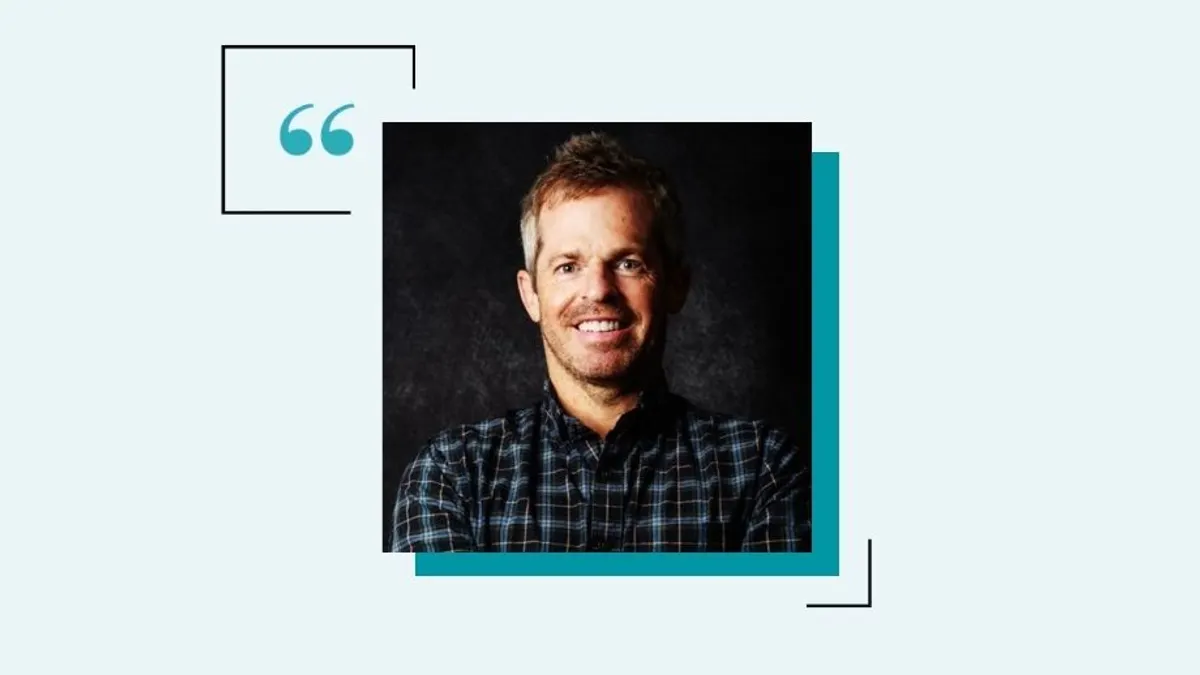


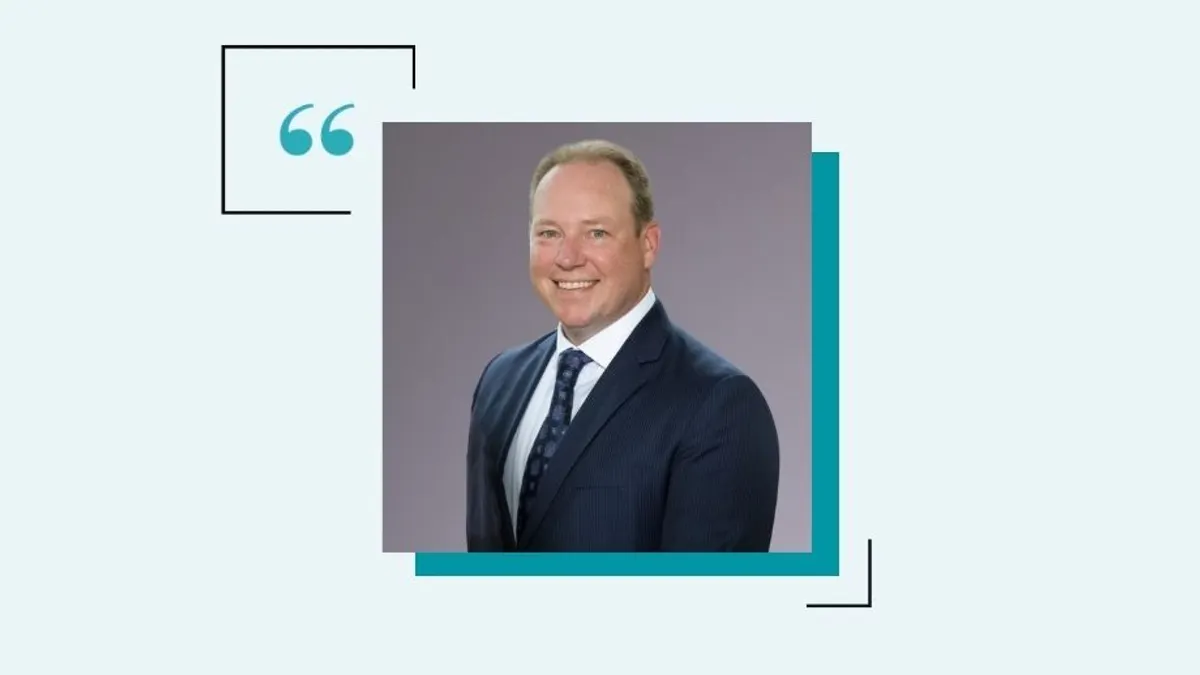
Before he was named chief financial officer at life insurance company National Life Group in late April, Matt Frazee had worked across virtually every department there, from operations to distribution to sales and marketing.
Now, stepping into the first CFO seat in his career, Frazee aims to use his extensive knowledge of the insurer’s operations to grow the business. As of 2025’s end, National Life Group counted more than 1.5 million customers, according to the company’s most recent annual report. Frazee sees an opportunity to increase that figure, pointing to data that shows only about half of Americans currently have life insurance. “Those are pretty good odds of creating a career in this business, as well,” he says.
In an interview with CFO.com, Frazee talks through his journey to becoming CFO, his take on changes to CPA credentialing and the nuances of running a life insurance company in a rapidly changing world.
Matt Frazee
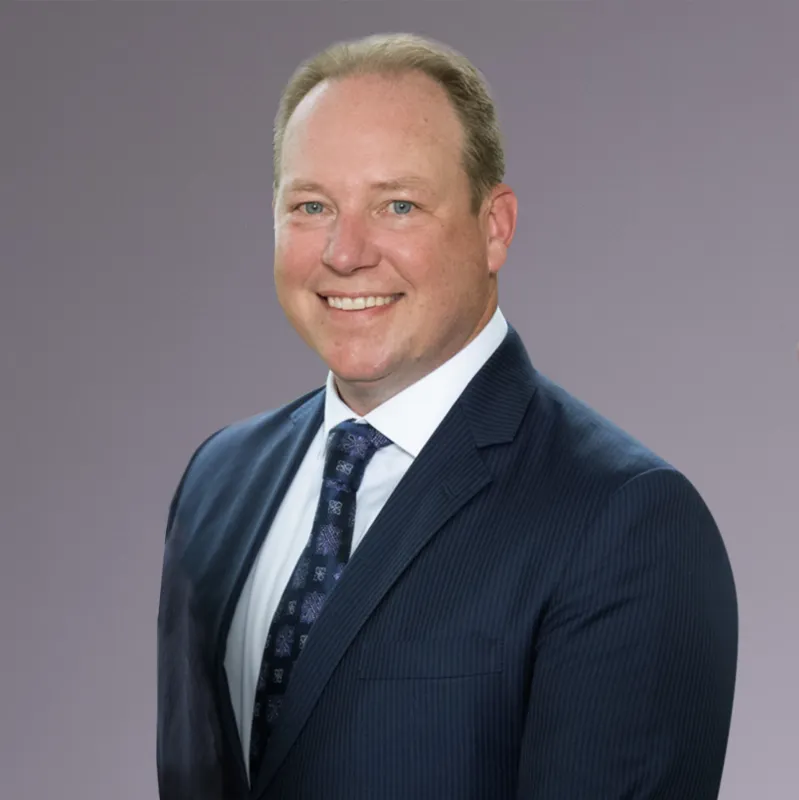
CFO, National Life Group
First CFO position: 2026
Notable previous employers:
- Deloitte & Touche
- Olsen Thielen
Editor’s note: This interview has been edited for brevity and clarity.
DAN NIEPOW: You’ve worked at National Life Group since 2011. What’s kept you at the company that long?
MATT FRAZEE: Having been here for a while, I've held roles all over the organization. I think that's one of the things that keeps me here. You just get this clear sense of everything we're doing.
And more than that, since I joined 15 years ago, we’ve grown by somewhere between four to six times by almost every measure, whether that’s sales, earnings or capital. When I think about just how much progress we’ve made and how much more we have in front of us, it keeps me excited about being at this place.
You previously held the role of chief marketing officer, which I don’t imagine is a very common role for CFOs to hold. What led you to the marketing side of the house in the first place, and how might that position inform your role now?
I’ll give you a bit more about my journey here to help explain. I started as a controller and then moved on to becoming chief accounting officer before taking roles in operations and distribution. In my career journey, it’s been important for me to look back and know I’ve learned something new.
I started as chief marketing officer in 2023. At a life insurance company, that job encompasses both sales and marketing. So, that also means responsibility for distribution, and in our model, we don’t sell anything directly to customers; we’re very much a (business to business to consumer) company.
How does that inform what I do now? I have a good sense of how our products are sold, marketed and bought, and how they ultimately show up in the financials. I’m able to understand how business flows from an operational perspective, and that ultimately helps to sell our product.
You also worked for over a decade as a senior manager at Deloitte & Touche. What would you say are the biggest learnings you’ve taken from that job?
When you're working for one of the big firms, you get a ton of experience across multiple companies at an early stage of your career. You’re exposed to a lot, which I think is very beneficial in terms of your worldview and how finance works in general.
One of the things you have to do really well in a role like that is keeping your client. That means you’ve got to be a relationship person. The relationship-building aspects of a role at a firm like that carries through in everything else you’ll do. It doesn’t matter if you’re in finance, operations, legal or another department; we’re all in the relationship business. Some of those skill sets you learn in terms of client service permeate through every part of your career.
As I’m sure you’re aware, there are changes coming to how CPAs are credentialed, with many states removing the longstanding 150-credit-hour requirement. What’s your take on those changes?
I'm dating myself, but the 150-hour rule came in after I had obtained my original license. My understanding of that requirement in the first place was to get more well-rounded people. But I do believe that eliminating it now gets people into the profession quicker
We need more people in the profession, and I do believe it’ll make it more attractive in terms of getting people into practitioner positions quicker.
Amid a heavy push toward automated labor in many industries and positions, what advice might you share with a young person contemplating a career in finance these days?
Whether it's automation, AI or other new tools people are using, I’d give the same advice to anybody in any profession, including my own kids: Become a student of what you’re doing. If you come in and just treat it like a task, that’s the kind of stuff that’s ripe for automation.
Curiosity is the No. 1 trait I look for. If you’re genuinely curious about building relationships, about the person sitting across from you, or about how things show up in the financials, you become a much more well-rounded person.
After the California wildfires and the subsequent exodus of several property insurers in the state, some observers have raised concerns that climate change and other issues may be pushing us to an “uninsurable world.” What’s your take as CFO of a life insurance company?
From a finance perspective, you’re constantly looking at long-term risk. Working at a life insurance company, I can’t speak to some of the issues in the property and casualty world. But as I think about our world in life insurance, I’m reminded of where we were 30 years ago and where we are today. Life expectancies are much different than they were 30 years ago.
There are lots of things driving that, and those are the things we’re focused on. For us, the focus is how we maintain a balance sheet that’s going to be here 30, 50 or even 70 years from now, long after we’re gone. National Life Group is a 178-year-old company, and it’s well-capitalized, with a strong balance sheet for the risk that we’re putting on the books today.