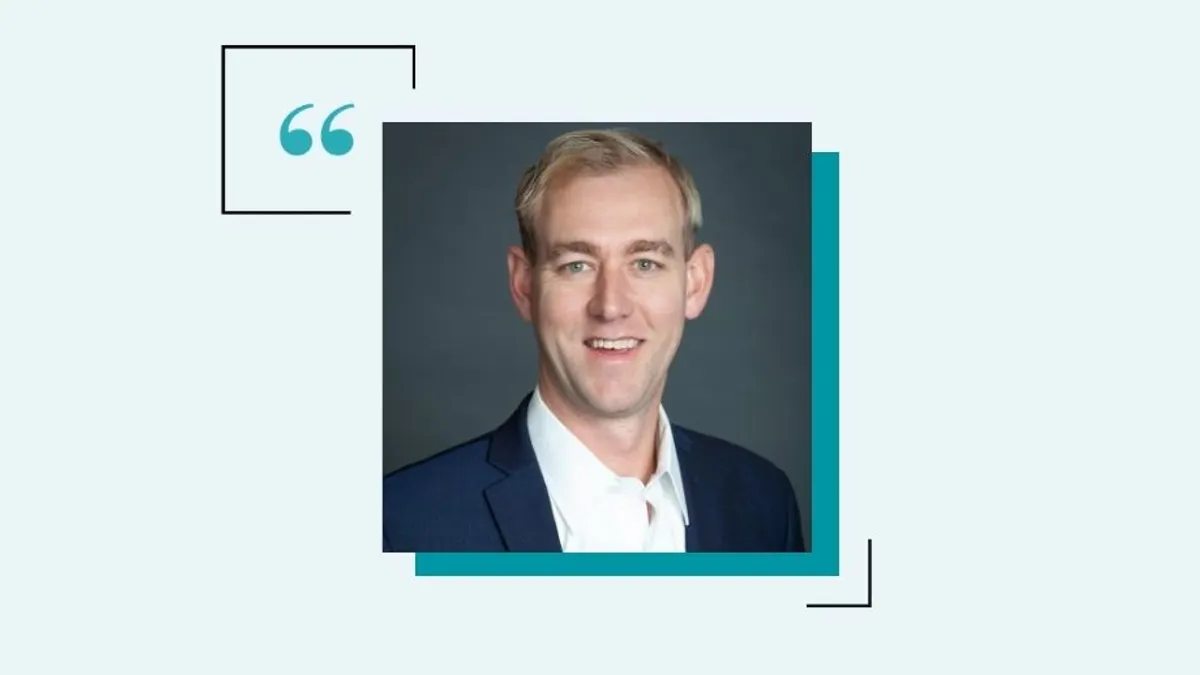
Matt Klitus has long been drawn to health care, even considering medical school after studying chemistry and finance at Princeton. Building on his finance education instead, he spent the first 10 years of his career in management consulting and private equity.
Then, Klitus had a unique opportunity to combine two interests — solving difficult health care problems and public service — when his mentor and colleague, Charlie Baker, was elected Massachusetts governor. After Baker took office in January 2015, he asked Klitus to become CFO and chief strategy officer for MassHealth, the state’s Medicaid program.
He stayed with health care four years later when he returned to the private sector to manage care delivery operations at Cityblock Health, which provides behavioral health services, medical care and social services for underserved populations.
Klitus next joined workforce mental health benefits provider Lyra Health in 2021, first as chief growth officer, then as its CFO, before moving to Honor Technology as CFO in September 2025. Honor is the parent company of Home Instead, providing the proprietary technology that powers its home-care franchise network.
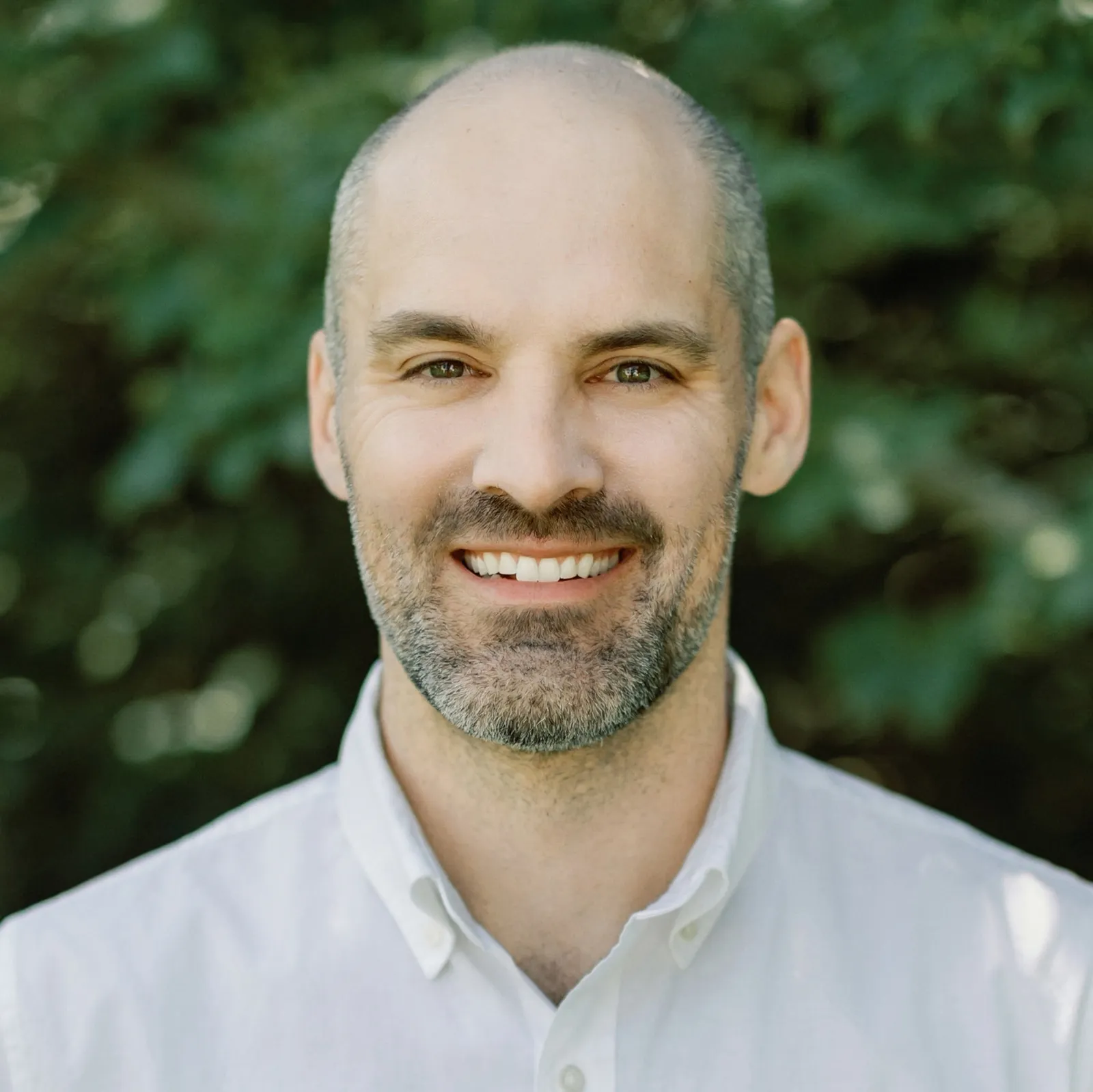
Matt Klitus
CFO, Honor Technology
First CFO position: 2015
Notable previous employers:
- Lyra Health
- Cityblock Health
- MassHealth
- General Catalyst Partners
This interview has been edited for brevity and clarity.
SANDRA BECKWITH: You joined Honor Technology almost a year ago at a time you described as a critical inflection point. What in your background was Honor most interested in then?
MATT KLITUS: I've been fortunate to have a wide range of roles in my career. The through line is how I’m always drawn to work on hard problems that matter to people. That’s why I was interested when Honor’s CEO and co-founder Seth Sternberg contacted me about the CFO role here. Honor’s mission to transform the way society cares for older adults by using technology to make home care more accessible brought it all together.
In terms of why me, I think the CEO was excited about having a finance leader with operating experience. He was looking for somebody who shared the mission and was willing to get their hands dirty and partner deeply with operations.
You’re attracted to organizations that help underserved or high-risk health care populations. Tell me about this and how your finance expertise makes a difference for them.
Health care services businesses — where we own the care delivery — offer the best opportunity to transform care. It's hard to change how care is delivered if you're just providing software or an ancillary service.
The only way to scale these services is with the thoughtful application of technology. If you get it right, you can deliver more and higher quality care at a lower cost.
Service businesses in general live and die on unit economics. Getting this right requires a deep partnership between finance, operations and technology. That kind of finance leadership is both high impact and, I think, fun.
How did your early experience in consulting and private equity impact your career path?
We're all disproportionately shaped by our first couple of jobs, right? I still reach for the analytical and due diligence toolkits and the problem-solving approaches that were drilled into me in those experiences.
Maybe a less intuitive component of the investor experience for me is what happens when the deals don't go as planned. I worked in private equity during the great financial crisis, and those challenging experiences shaped how I think about not just capital structure, but how I lead and make decisions today. We learn more from struggles and failures than from our screaming successes, and I think that's true here.
What was the most pivotal moment in your career… or what “aha” has had an impact?
The big, obvious one for me is leaving private equity for public service, which is not a well-trodden path.
I had spent several years working with Charlie Baker at General Catalyst on healthcare investments before he was elected governor of Massachusetts. I really admired him and loved working for him.
I always had in the back of my mind that I wanted to do public service at some point. So, when Governor Baker talked to me about joining him as the CFO and chief strategy officer of the state’s Medicaid program called MassHealth, I thought, if not now, then when?
That ultimately led to another career pivot when I didn't go back to investing.
What’s something you wish you’d known or done differently earlier in your career?
Early on, I definitely agonized over optimizing the career decision — which company and role, the compensation and so on. I would probably have more hair now if I had spent less time worrying about those things.
In reality, serendipity and people played a much bigger role in the journey than I ever would have expected. Now I know the importance of being prepared to take advantage of great opportunities when they come along and having a little bit of faith that they will work out if you follow the right people working on the right kinds of problems.
What advice would you give to others in finance hoping to become CFOs?
Orient around getting to “yes.” It's easy for finance leaders to show up with constraints or to say “no” to investments or new projects. It looks disciplined, but it doesn't move the company forward.
I encourage my team to try to flip that script and engage on what would have to be true to get to “yes” and to position the organization to take smart bets. I think a CFO who is only saying “no” all the time isn't actually leading.