Culligan has spent nearly 100 years building its name around cleaner water. Now, noteworthy findings in drinking water quality along with shifting consumer demands and habits are giving CFO Andy Kellogg a much larger market to think about.
As more people across the globe but particularly in the U.S. question the quality of their tap water and look to reduce plastic use, Kellogg sees a sustainable growth path ahead for the legacy water-services company.
Finance’s role, he told CFO.com in a recent interview, is to narrow the opportunities and put capital behind the company’s biggest priorities.
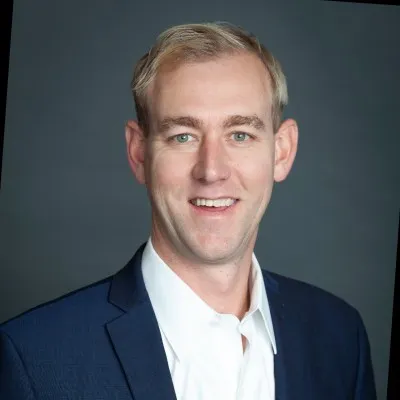
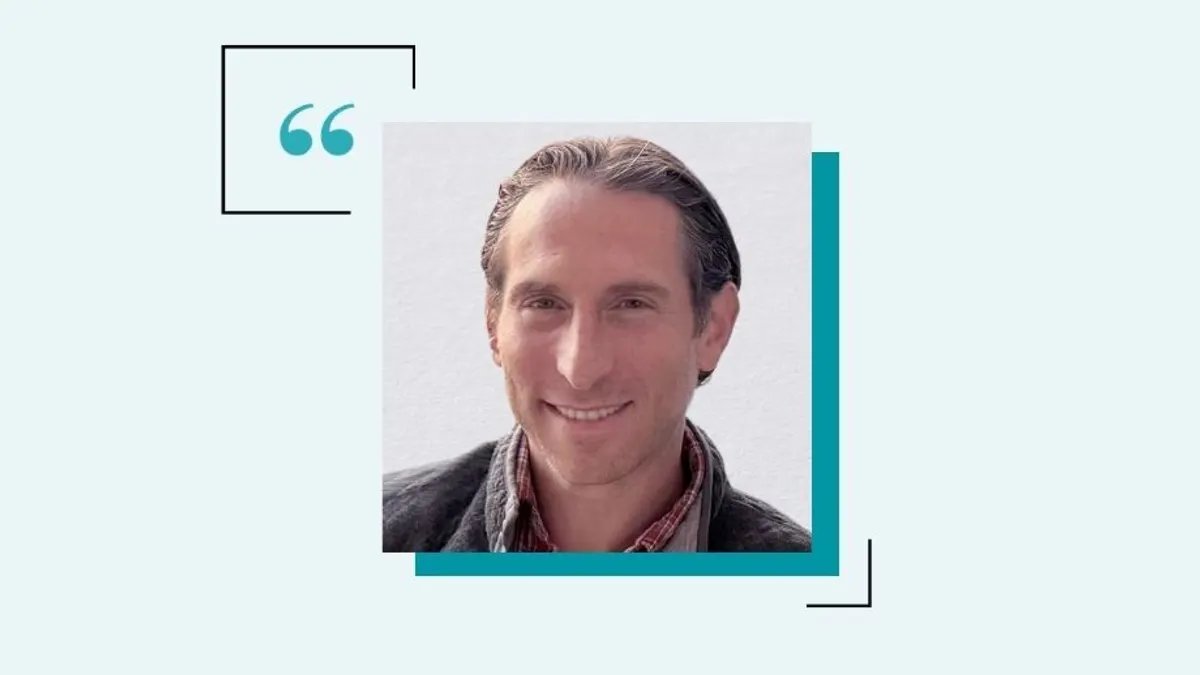
Andy Kellogg
CFO, Culligan International
First CFO Position: 2025
Notable previous employers:
- SunCoke Energy
- TDS
- BMO Capital Markets
This interview has been edited for brevity and clarity.
ADAM ZAKI: Your background includes treasury, capital markets and investor relations across several industries. What has been the biggest shift as you moved from financing businesses to operating one as CFO?
ANDY KELLOGG: I started my career in investment banking 20 years ago and quickly realized that I wanted to be part of the decisions a company makes. There is nothing wrong with banking or consulting, but I wanted to own those decisions.
As an operator, you have to execute on the strategic vision. You do not just raise capital for a company, walk away and raise capital for another one. You raise the capital, and then you have to redeploy it into areas that will generate long-term returns. I consider myself an operator, and that responsibility is a big part of what attracted me to the role.
My career has spanned several sectors. I spent five years in telecom, media and data centers, followed by five years in metals and mining. I have spent the past seven and a half years in water services.
I view those experiences as different learning opportunities that helped prepare me for where I am today. Culligan is by far the best place I have worked, and I am excited about its future.
Culligan offers both bottled-water delivery and water-treatment systems. As your customers are becoming more concerned about tap-water quality, where are you seeing the strongest demand?
One thing that makes Culligan unique is that we play across the entire consumer water-services space. It is a massive industry, and we serve both commercial and residential customers.
Our largest business line is what we call bottle-free coolers. Those are filtration systems installed in commercial buildings. That could be your office on Long Island, your gym, a warehouse or a restaurant.
Consumers are increasingly experiencing distrust in their water. That is not to say municipalities are not doing a great job because they are. The challenge is that water has to travel miles through pipes before it reaches an office building or a home.
Consumer awareness is at an all-time high and continues to grow as people learn more about contaminants in water, including PFAS, microplastics and lead. We believe that is creating long-term secular tailwinds for the business.
With consumers becoming increasingly more concerned about their water sources, how has Culligan responded through its products and strategy?
Think about the broader nonalcoholic beverage industry. It is a massive market worth almost $850 billion. The water-services industry where Culligan operates is just under $60 billion, including all sustainable water services.
"As the treasurer of an organization, I believed I could be industry agnostic and raise capital for any company. I could not have been further from the truth."

Andy Kellogg
CFO, Culligan
Beyond that market, there is a massive single-use plastic industry, which we do not participate in. Then you have carbonated and sugary drinks, including soda and juice. When you put all of that together, you get to this roughly $850 billion nonalcoholic beverage industry.
What we are seeing, and what we strongly believe is a natural long-term trend, is that people are shifting away from sugary drinks. Consumers are trying to make more health-conscious choices, and that is leading them toward water. Then, within water, people are moving away from single-use plastics. They are also moving away from unfiltered tap water. Where do they go? They move into a market like Culligan’s.
The sustainable water-services market is primed to continue growing as consumers look for healthy, safe and soft drinking water without the need for single-use plastic.
How does Culligan build on the recognition created by legacy ad campaigns like “Hey, Culligan Man!” while adapting its brand strategy for today’s consumers?
We are extremely proud of Culligan’s history. We have been around for 90 years, and there are not many businesses that can say that. The company started in 1936, and we recently celebrated our 90th anniversary.
The “Hey, Culligan Man!” campaign was part of an earlier chapter in the company’s history and helped build that recognition. Today, investing in the Culligan brand remains a key strategic pillar for us, and it is an area where we have been very active.
We are not bringing back the Culligan Man commercials in their original form. The channels we use and the way we reach consumers have changed. But we are continuing to invest in the brand, and we expect that investment to remain a priority for many years to come.
You have worked across several industries. Did any one of them prepare you for the CFO role more than the others?
I do not know if it was necessarily one industry. It was probably my previous role that prepared me most.
Early in my career, I thought a balance sheet was a balance sheet. As the treasurer of an organization, I believed I could be industry agnostic and raise capital for any company. I could not have been further from the truth. One reason I enjoy Culligan so much is that it is a winning organization with a strong track record of growth.
My previous role was at SunCoke Energy, a metals and mining company. What made that role unique was that I was the treasurer, responsible for capital raises and managing the balance sheet, while also leading investor relations for two publicly traded companies. The business had a general partner and master limited partnership structure, which made it a little different.
That combination gave me both an internal and external perspective. Internally, I was helping determine how to deploy capital toward the projects offering the best returns. Externally, I could hear directly from stakeholders about what they cared about and where their priorities were. I could then bring that feedback to the management team and help align the company’s internal and external priorities.
That experience remains a major part of what I do today. When I joined Culligan as treasurer and head of investor relations, I met regularly with our ownership group and the company’s external debt holders. Throughout my career, sitting through earnings calls and speaking with public-market investors has helped me learn how to articulate a company’s long-term vision.
You are nearly a year into your first CFO role. Has your approach to risk changed as you have become more established in the position?
Not necessarily. That is not because we are afraid of making a mistake. We have strong alignment within Culligan about our core priorities and where we want to invest.
One of finance’s roles is to provide clarity. A company can have a lot of great ideas, but we should identify the top three priorities and invest behind them. If an idea supports one of the strategic pillars we are pursuing, we will invest in it. If it sits outside those priorities, we will have a conversation about it.
We make decisions very quickly, both as a leadership team and as a global organization. That alignment allows us to evaluate opportunities without changing our overall tolerance for risk.