

By CFO Paolo Poma’s own admission, Lamborghini is something of an outlier inside the wider Volkswagen Group.
That’s because relative to its size in the group, the Italian luxury car brand generates a considerable share of the company’s overall revenue.
Lamborghini, founded in 1963, came under the Volkswagen umbrella in 1998, when the German automaker acquired the luxury brand after “lengthy negotiations,” according to the company’s website. It was one of three high-profile purchases Volkswagen made that year, the others being Bentley and Bugatti.
The moves came as part of Volkswagen’s wider strategy to enter the luxury market, where the company saw “small but steady demand potential,” according to Volkswagen. These days, as Poma would tell you, that strategy remains largely the same.
In an interview with CFO.com, Poma talks through the complexities of operating a luxury car brand, managing through a “new normal” in the global economy, Lamborghini’s scrapped all-electric plans and how he thinks about scarcity and exclusivity.
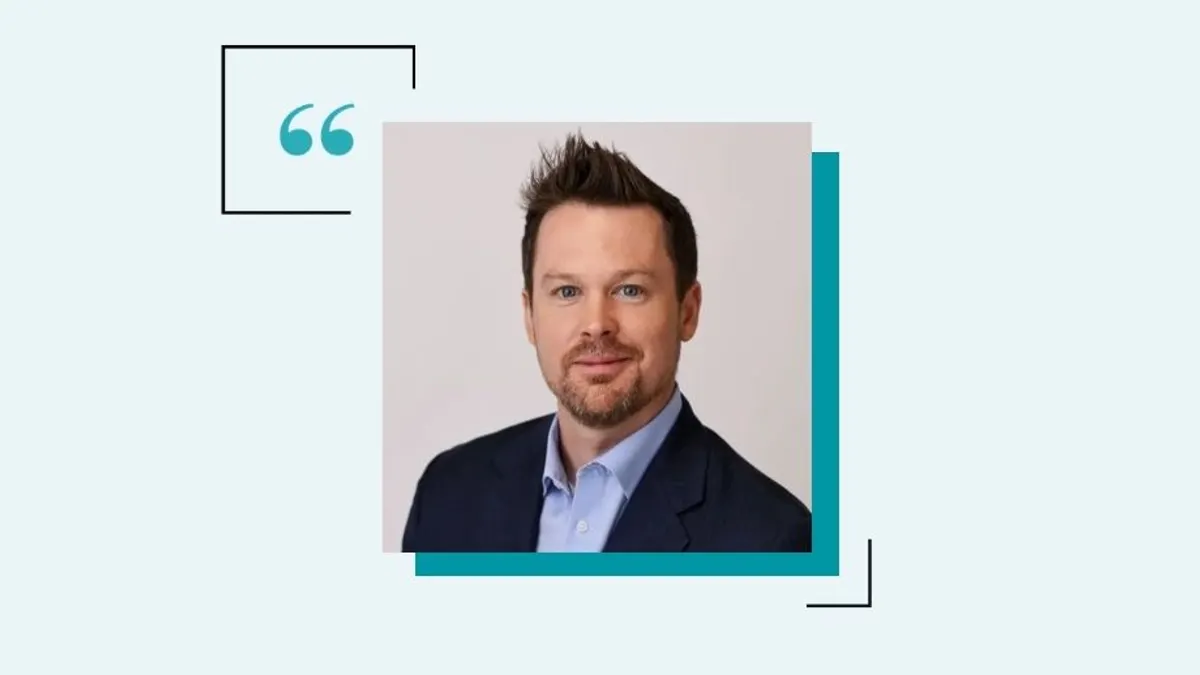
Paolo Poma
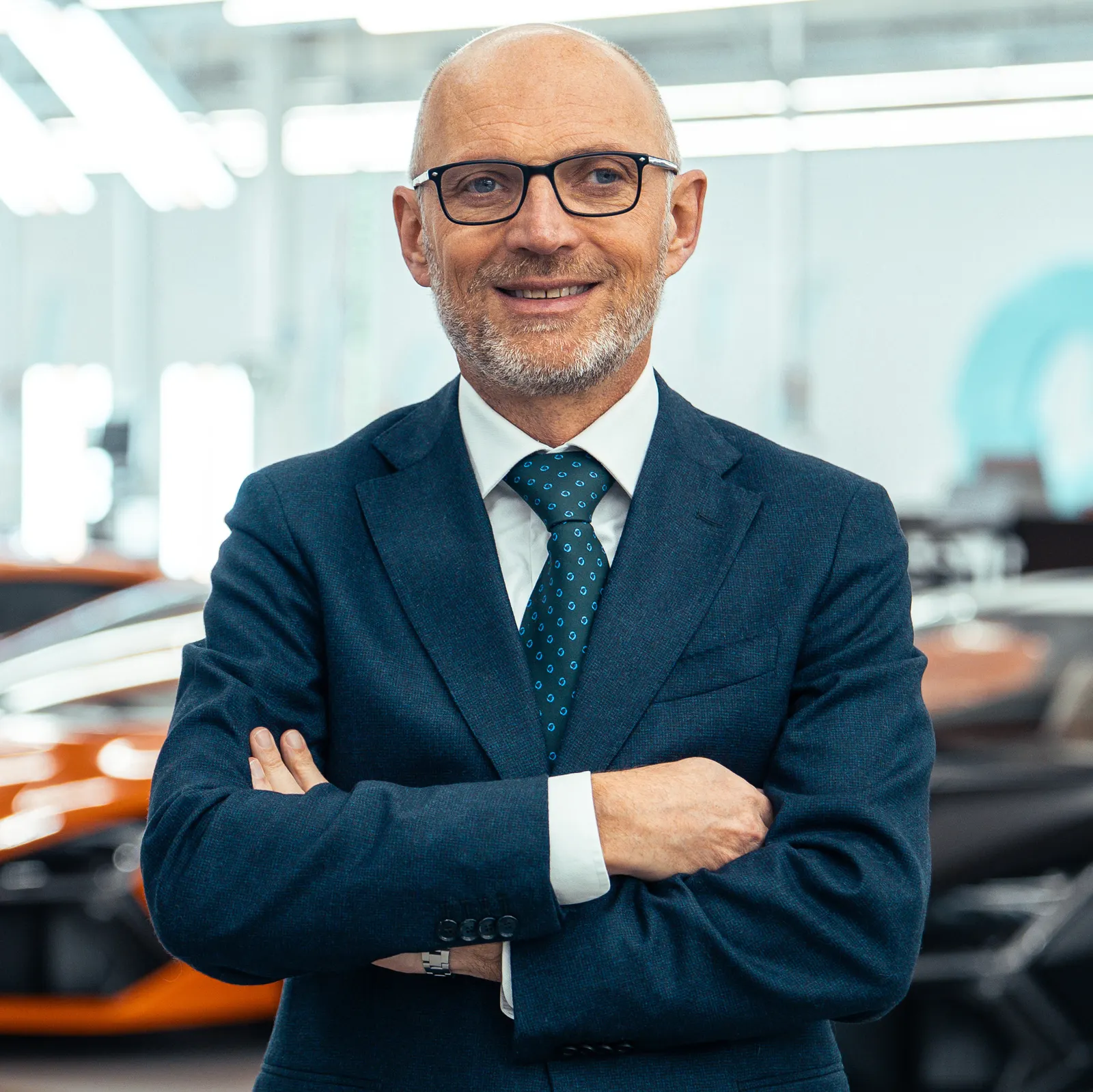
CFO and managing director, Lamborghini
Notable previous employers:
- Ducati Motor Holding
- Tenaris
- McKinsey & Co.
Editor’s note: This interview has been edited for brevity and clarity.
DAN NIEPOW: Lamborghini recently surpassed €3 billion in annual revenue while maintaining some of the strongest margins in the automotive industry. What are the key drivers behind Lamborghini’s profitability, and how does the finance organization protect those margins in a capital-intensive business?
PAOLO POMA: In the last 10 years, we've been working in three main directions. First, we are a product-driven business, so expanding the business has been crucial. But we also selectively leverage opportunities, in terms of the wider market and price. The second direction is product marginality. This takes more time because developing a car takes from 18 months to five years, at least in Europe. The third and last direction is controlling the growth. We’ve done this by leveraging existing assets and structure during development. In a nutshell, we have steep growth in the top line while keeping our lean structure in place. We have to replicate the same to protect our achievements.
Bentley and Lamborghini reportedly generate a disproportionately large share of profit within the Audi Group despite representing only a small portion of total sales volume. Does that create additional pressure on you as CFO to maintain Lamborghini’s profitability while other parts of the parent company face tighter margins or slower growth?
In the last three to four years, we have become relevant in terms of overall profit in the group, with last year being the best. We are counting about 8% of the overall group profit. That’s especially notable when you consider that this profit is delivered with less than 1% of turnover.
We are niche, but given our profitability, we are very visible in terms of brand. This is a big advantage for us. We are unique and peculiar in the (Volkswagen) group. Though the group is big and wide, there’s nothing comparable to Lamborghini. That puts us in a privileged position, but our expenditures still have to fit in a plan approved by the group. That being said, we are self-financing our master plan. We have a pretty hefty investment plan for the future, the biggest plan ever done by Lamborghini.
Lamborghini produces relatively low volumes compared with mass-market automakers but maintains very high pricing power. From a finance perspective, how do you balance exclusivity, production scale and pricing strategy to maintain strong returns?
You’re touching a very crucial point because we play across two industries: Luxury and automotive. We have to cope with the complexity of the automotive industry and the opportunity provided by the luxury position. We have to preserve the luxury position in that family by delivering a luxury profitability. How do we do that? We fix ourselves some targets, which we don’t compromise. For example, we cannot compromise on product marginality, and we don’t compromise on price. We used to say we sell one car less than what is demanded by the market. We are not running ahead of sales.
We have to be careful that we are not diluting our positioning and our brand by any kind of discount on our cars. Otherwise, you run into a vicious circle when you see discounts. Next, the residual value plummets, and customers wouldn’t see our cars as an investment as they once did.
What financial or strategic signals does Lamborghini watch to ensure growth does not undermine the scarcity and brand value that drive the company’s pricing power?
In terms of pricing power, we go head-to-head with our main competitor. We are leveraging the most on that. Where we still see room for improvement is in personalization. We are lagging behind there, not very far, but still lagging. This goes hand-in-hand with what our customers are asking for: Every car is different, and customers are asking for more and more in them. We’re living in the “age of you,” so they want to have a customized car that’s a unique piece of art. Personalization is the direction we want to develop.
Lamborghini recently canceled plans for the all-electric Lanzador and will instead focus on plug-in hybrid vehicles across its lineup by 2030. However, in earnings materials released earlier this month, the company said there are still plans for “future development of a fully electric model.” What’s the status of Lamborghini’s electric play today?
Some years ago, we launched our strategy under the name Direzione Cor Tauri, which provided the first step toward hybridization. But with the passing of time, we haven’t seen the market demand, especially in our luxury market, for full-electric cars. So, we decided to postpone plans for a fully electrified car. We want to develop competencies in the meantime to be prepared in case regulations push toward full electrification. We never wanted to be the first one in this area, but the follower. That means being the best in execution. We are very tiny in terms of size, so that makes us very conscious of the electrification trend.
How does the finance team plan for macroeconomic volatility and regulatory shifts while continuing to invest in future products?
On the Volkswagen Group side, which is German, planning is a strong suit. At the same time, you cannot truly plan for what is unexpected, which is why Automobili Lamborghini handles unforeseen situations with maximum flexibility, making scenarios and hoping for stabilization.
We’re doing the usual monthly forecasts and budgeting five to 10 years out. But this doesn't always work when the geopolitical situation is blurry. That’s why we’re making scenarios.
If you take a look at our last 20 years of growth in terms of sales, you see just two blips, and these were in 2009 and in 2020. Unless we see a real financial crisis, the underlying asset remains strong. This gives us optimism, at least in the medium to long term. We just have to execute our strategy, and we’ll be successful in the future.