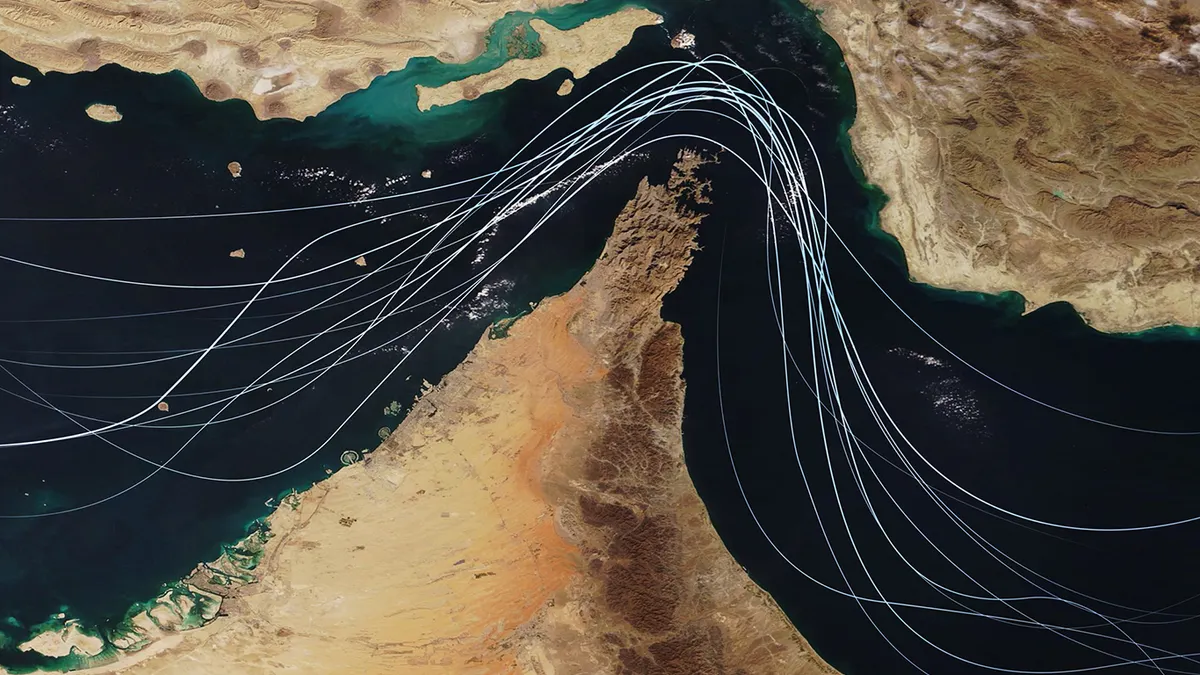
Against the backdrop of the war in Iran, geopolitical turbulence is obviously high on companies’ risk concerns, but that was true even before the war began.
Among 150 finance chiefs surveyed by McKinsey in December 2025, geopolitical instability was identified as the greatest potential risk to their company’s growth, with a plurality of 37% saying it is among their biggest risks. That proportion has risen each year since barely topping 20% in 2022, according to McKinsey’s annual research.
Additionally, 32% of those polled cited changes in trade policy/relationships as a major risk, more than triple the proportion found in a similar survey taken just a year earlier.
“The recent conflict in the Middle East has proven [CFOs] right, particularly as oil prices and other ramifications swell,” McKinsey wrote in its recently published survey report.
Asked to cite the geopolitical or macro topics they expected to personally pay attention to in 2026, CFOs’ leading response was “tariffs and other trade barriers,” cited by 62% of respondents. The sentiment was especially high among those in North America, 75% of whom will be training a sharp eye on the topic.
Also making the to-watch list of priorities were trade agreements and international pacts (38%).
To manage geopolitical and other macro risks, the top strategy for 2026 was expected to be increasing cash/liquidity buffers (60%), followed by planning for expansion or diversification into new markets (43%) and optimizing supply networks (32%).
Asked which additional sources or capabilities would help them feel more confident in navigating geopolitical uncertainty, respondents most frequently cited clearer regulatory guidance and government support (24%) and real-time intelligence and risk monitoring (22%).
McKinsey noted that survey respondents’ focus on geopolitical risks dovetails with the firm’s position that “rigorous risk monitoring and scenario planning are of the utmost importance for understanding implications and navigating a company through uncertainty.” Scenarios should reflect geopolitical stress testing and translate potential shocks to GDP, rates and inflation that can inform business actions, McKinsey wrote.
Additionally, the report advised, growth strategies should consider the impact of geopolitical uncertainties on competitive behavior, M&A opportunities, investment decisions, new trade corridors, incentives, opportunities for improving internal cost structures and the optimization of capital deployment.
Meanwhile, despite the geopolitical challenges, the survey found that CFOs were more optimistic about their industry’s growth rate than they were in another poll taken in the second quarter of 2025. The proportion expressing optimism rose from 43% to 52%, while pessimism fell from 15% to 11%