Back in the good old days, buying blue-chip stocks with iron-solid brand names, like IBM and General Motors, was thought to be the next safest investment strategy after loading up on U.S. Treasuries.
That’s far from the case in the topsy-turvy 2020s, as demonstrated by a new report from investment research platform BestBrokers. The message for CFOs: Watch out; your brand may not be as unassailable as you thought.
Almost anyone who doesn’t regularly pay attention to stock market news would likely be surprised to learn that the shares of familiar, highly successful companies like PayPal, Nike and Zoom have plummeted in recent years.
Leaving out companies with major acquisitions, mergers and other significant structural changes, plus those that executed major forward stock splits, BestBrokers identified 172 companies worldwide that saw large chunks of their market value wiped out since 2021.
For the hardest-hit stocks, the losses appear almost surreal. A $1,000 investment in PayPal at the close of business on Aug. 13, 2021, had declined in value to $200.21 by Sept. 25, 2026.
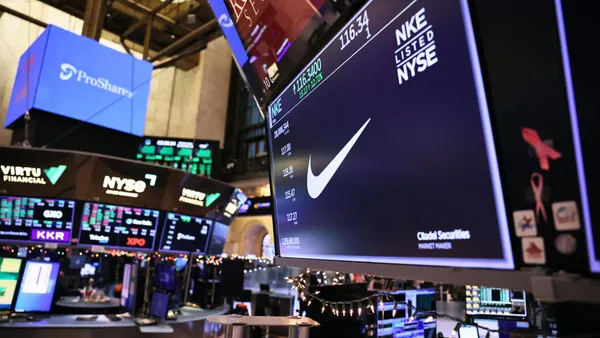
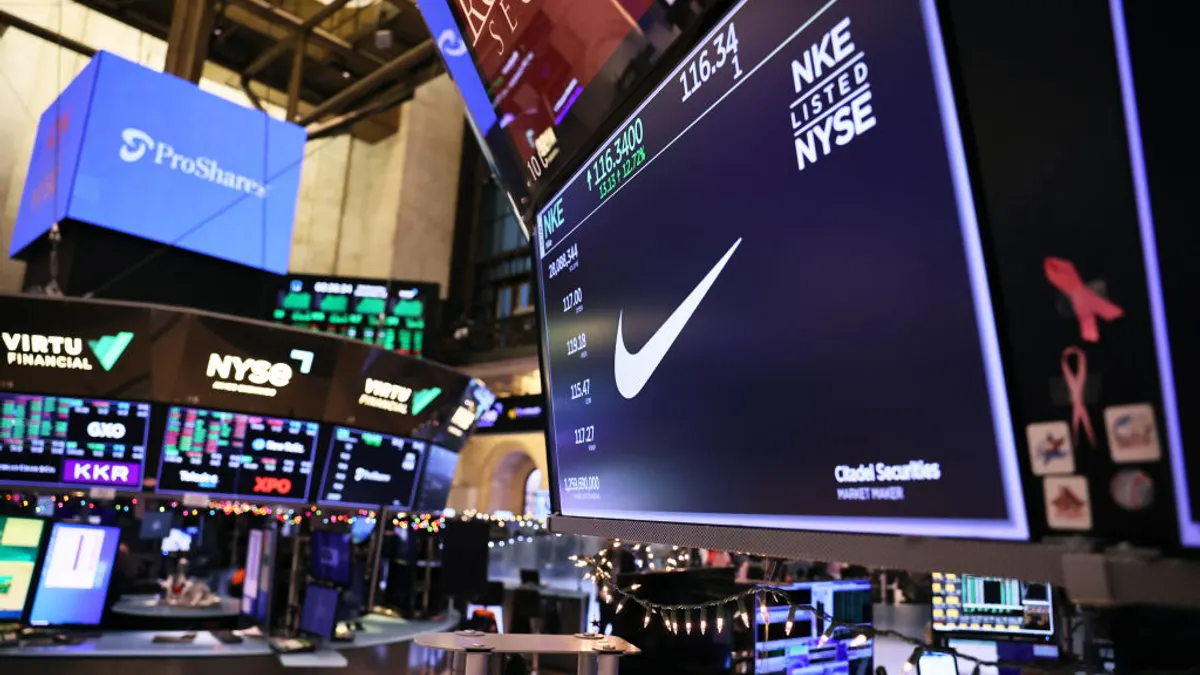
Similarly, $1,000 worth of shares in Nike and Zoom collapsed during the same time frame to $208.22 and $252.53, respectively. Other U.S. companies among the 20 worst market performers across the five-year period include Block (formerly Square), Estée Lauder, Crown Castle, Zoetis, Adobe, Comcast, Coupang and Infosys.
“These results serve as a reminder that a famous name, a once-dominant position or a history of success is no guarantee of lasting investor confidence,” BestBrokers wrote.
Why did the market values of these companies crash so spectacularly? The answers vary widely.
In PayPal’s case, the culprit was not a collapse in revenue or payments activity. Rather, as online shopping surged during the Covid lockdowns, “investors priced in years of rapid growth,” the report noted. “When consumers returned to physical stores, that momentum faded — and competition from Apple Pay, Google Pay, Stripe and other payment providers intensified.”
While tougher competition was a factor for Nike too, value-damaging issues included its product mix, the online direct-to-consumer model it turned to, and heavy reliance on promotions. All of these have eroded Nike’s appeal and premium brand image, slowing customer demand and revenue, BestBrokers said in the report.
Block, for its part, struggled as the digital payments landscape fractured into competing apps, while Estée Lauder failed to recover from a prolonged slowdown in travel and weak sales in China, according to the report. For Adobe, even though it’s building AI into its products, “the evidence that these tools can generate substantial new revenue and defend subscription pricing is probably not clear enough,” according to the report.
As for Zoom, investors valued the company as if the sudden, exceptional demand for video calls that came about during the Covid pandemic would persist. It has not, and there is also competition from videoconferencing tools built into Microsoft 365 and Google Workspace.
Meanwhile, 2026 has been unkind to the shares of such U.S. companies as Boston Scientific (down about 55% from Jan. 5 through Sept. 25), Zoetis (47%), Nike (43%) and Infosys (42%), among many other market losers.