It was way back in 1997, the year Marie Myers joined Compaq Computer, when artificial intelligence made one of its first big public splashes: the victory of IBM supercomputer Deep Blue’s victory over World Chess Champion Garry Kasparov.
That was more than a quarter century ago, yet AI is still in the very early days of its trek toward reinventing the way companies and finance teams operate, according to Myers, now two years into her tenure as CFO of Hewlett Packard Enterprise.
After the original HP entity, Hewlett-Packard Co., acquired Compaq in 2002, Myers stayed with the company in increasingly prominent roles until 2018, when she landed her first CFO job with UiPath, a leading robotic process automation vendor. As HP’s global controller, she had been an avid user of UiPath’s products.
She returned to HP a year later and rose to the CFO post by early 2021, a year before moving over to run finance at HPE, which had been spun off as a separate company in 2015. HPE, which ranked 143rd on the 2025 Fortune 500 list with revenue of just over $30 billion, is largely a vendor of server, storage and networking technologies.
Now Myers is looking to be an AI innovator, collaborating with Deloitte to develop CFO Insights, which combines agentic and generative AI in one solution, powered by a Deloitte platform and running on HPE’s Private Cloud AI. The parties call it a “transformation with a purpose,” shifting the CFO’s focus from “retrospective performance analysis to forward-looking enterprise intelligence,” a recent Deloitte blog post said.
In a conversation with CFO.com, we discuss Myers’ evolving role at HPE, some AI use cases and the challenges of upskilling a workforce to AI proficiency.

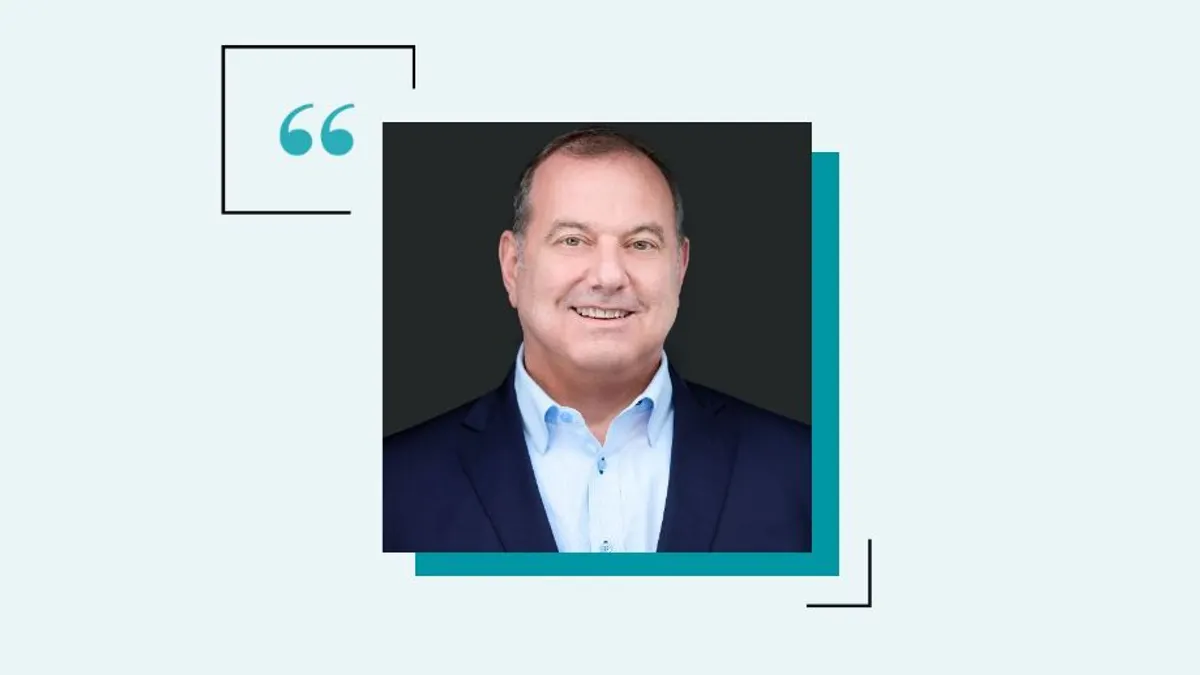
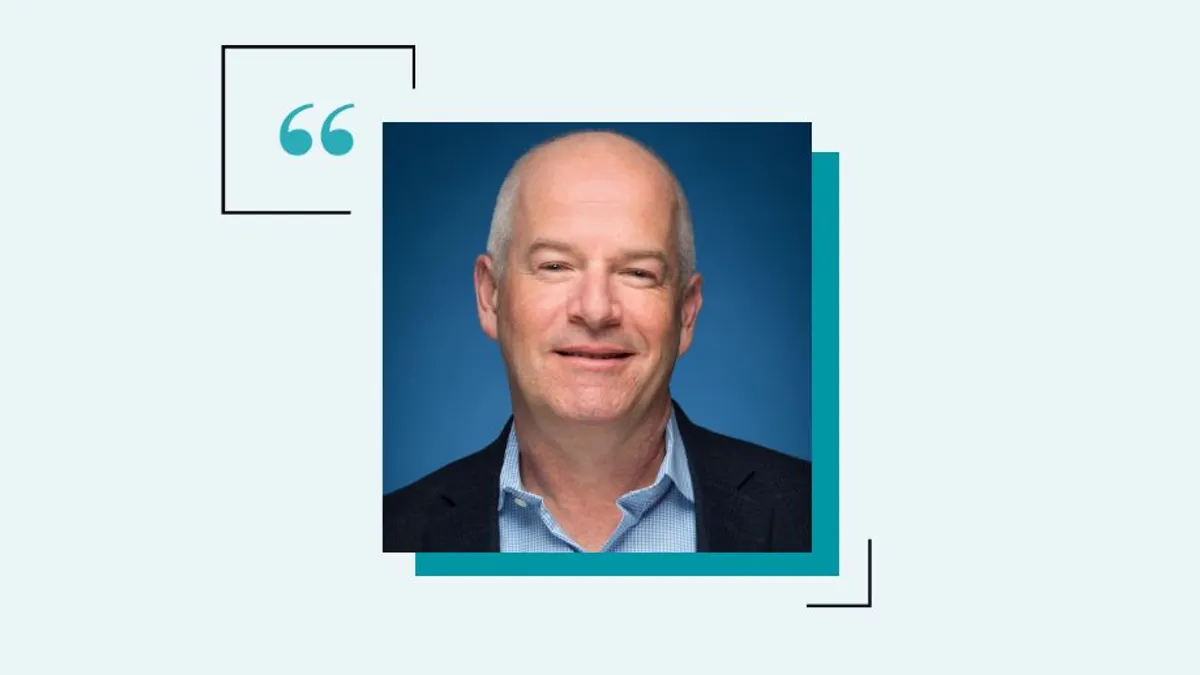
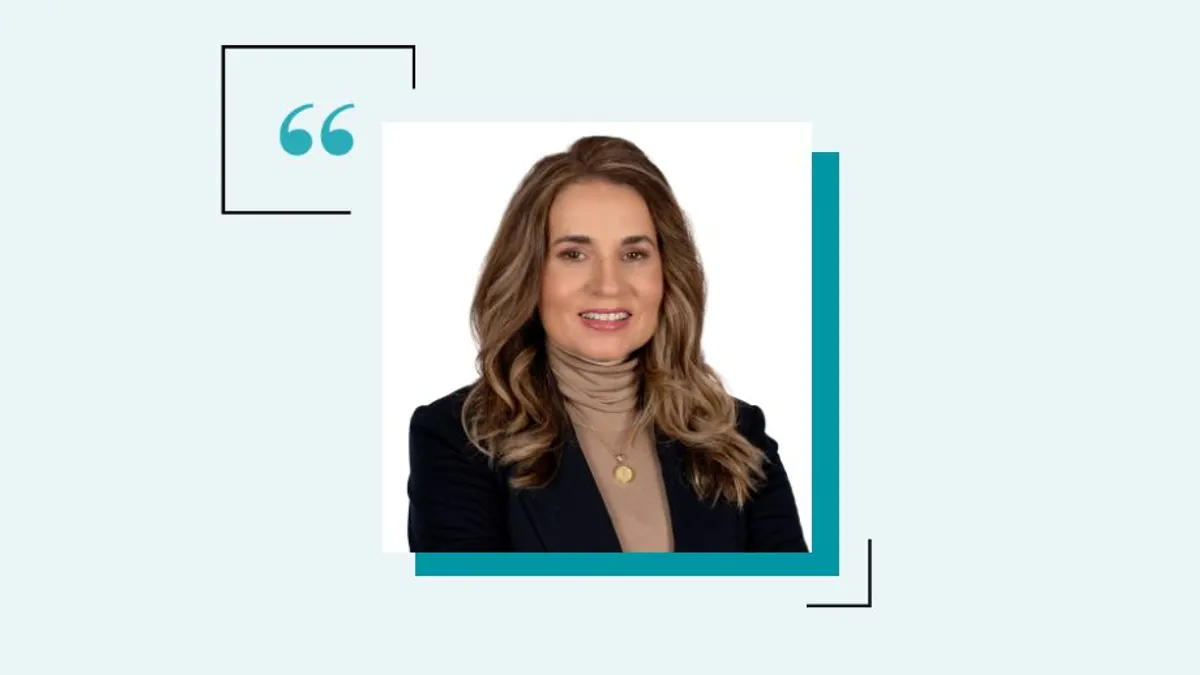
Marie Myers
CFO, Hewlett-Packard Enterprise
First CFO position: 2018
Notable previous employers:
- HP Inc.
- UiPath
- Compaq Computer
This interview has been edited for brevity and clarity.
DAVID McCANN: How would you describe HPE’s current identity and how it relates to AI?
MARIE MYERS: HPE is in the heart of the data center, and the data center is at the heart of AI. We are the infrastructure provider for everything from servers to storage to networking. When you see big infrastructure buildouts, a lot of the infrastructure comes from us, although we obviously do compete with Dell and others.
You had been with legacy HP for a couple of decades, except one brief sojourn outside the company, before you moved over to HPE two years ago. Why did you make that switch?
I saw the opportunity coming for AI. When I was in my RPA journey, it had become clear to me that automation alone was not going to be enough to solve many of the problems I had come up against as a CFO.
We had automated a lot of tasks and started doing some early machine learning back in those days, building off RPA. But I saw that GenAI in particular was going to be another transformative wave, and I understood that HPE could be a critical player.
To that point, I understand that your innovative work today focuses on how agentic AI and GenAI can transform those data management processes. How does this transformation interface with CFOs?
It benefits decision-making and positions them as architects of agile, efficient and future-ready organizations. The CFO obviously is the main driver of capital allocation, but can also be the steward of how the company goes down this journey.
On earnings calls, most CFOs are talking about how their companies are using AI. You can’t be a CFO today and not be literate on AI.
At HPE I’ve been trying to find critically important processes [that can be enhanced with AI]. For example, in finance we’re applying GenAI to operational reviews. We have a weekly call every Monday with all the business leaders that goes for about an hour and a half, and traditionally the finance team pulled together about 100 pages of PowerPoint.
I saw when I came into this role that an AI platform could (1) make a big change to the quantity of preparation that was done and the quality of the reporting, and (2) redirect the conversation from what had happened to what are we going to do about it, by looking at data in real time as opposed to aged information that probably took the weekend to prepare.
So, the CFO is no longer just the reporter. You can play a very active role in helping to guide AI transformation with such initiatives and showing the rest of the company how to approach them.
You can’t be a CFO today and not be literate on AI.

Marie Myers
CFO, HPE
One question that always comes up with AI is how to apply it responsibly. Can you give an example of how that manifests within HPE finance?
There are governance and controls issues that you’ve got to work through. One issue we’ve tackled is around the accuracy and precision of data and the [resulting] insights. I’m sure you’ve seen this: If you ask two models the same question, you may not necessarily get exactly the same answer. And in finance, I can’t get a different answer than a team member — if the revenue is 99.9, it needs to be 99.9 irrespective of who’s asking the question. So, we’ve worked with NVIDIA to build [our own] model.
I imagine that the organizational reskilling required to make AI credible inside the enterprise is a big issue.
Yes, it’s one of the biggest problems you have to solve for, and I think the most underestimated. I’ve learned the hard way, when implementing RPA several years ago and now with AI, that when a project is not successful, part of the reason is [usually] is a lack of understanding or investment in change management.
You need to prepare the organization and invest in that, which may include transforming the workflow. With agentic AI you have to, because some workflows can be very sloppy and you cannot replicate sloppy workflows with AI.
Moreover, you need to identify what roles agents have and what roles humans have. Humans need to feel there is a role for them in this new world.
We did a lot of reskilling years ago on RPA, teaching people how to build bots. Today, we’re teaching them how to build agents so they can determine what workflows to automate and drive productivity around.
What level of person are you reskilling? Everybody in finance?
Absolutely every single person, and I have over 3,000 people in my organization, which is a bit broader than finance. My leadership team is looking at the change we’re driving and the metrics and outcomes we want to get out of it. You can’t leave out any layers of the organization.
It seems like continuous upskilling will be needed, given the ongoing development of AI tools. Or might there be some visible plateau where most of what’s currently envisioned is plugged in and there will be some kind of stasis for a while?
Oh, I’d say we’re in the very early innings right now. We’re yet to see the real impacts in terms of transforming finance.