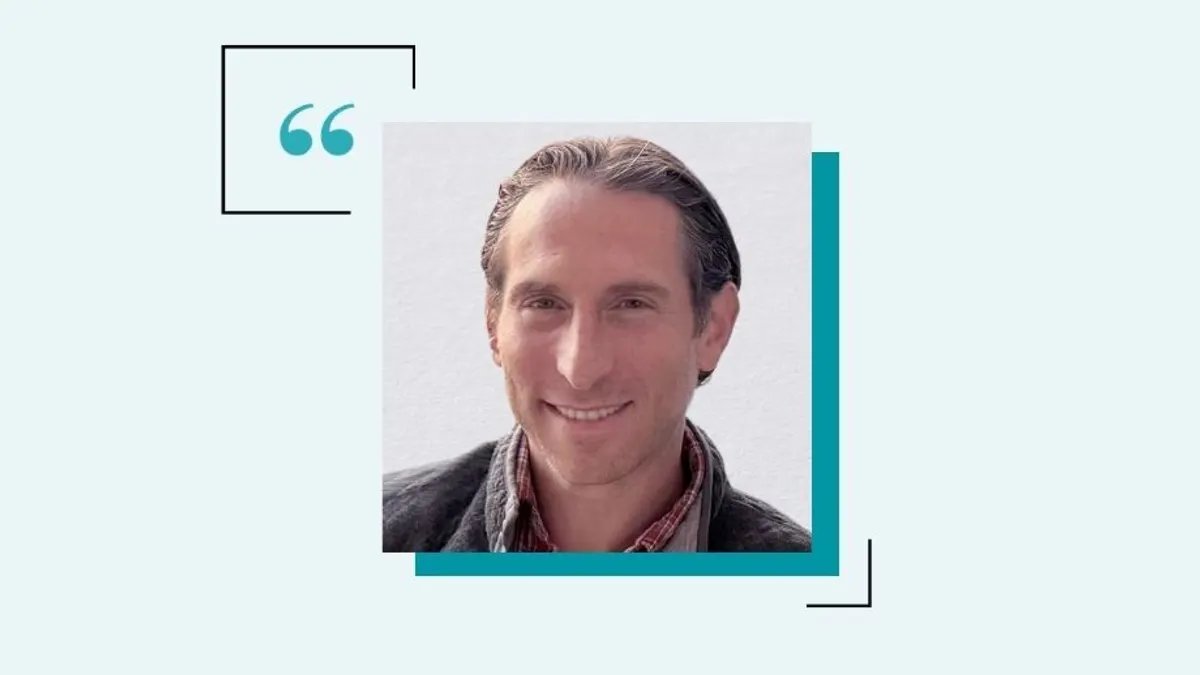



With a fresh influx of investor dollars, Seattle-based CFO Selections aims to bring its fractional CFO services to more markets, says Managing Partner Brian Turner.
On April 22, the firm announced that it had landed a minority investment from Laird Norton Company, a family-owned investment firm also based in Seattle. Though the companies aren’t disclosing the dollar value of the investment, Turner said his firm plans to use the funds to increase its presence beyond its current footprint in western Washington, Oregon, Denver and north Texas.
“We’d like to see that presence grow to a number of new cities over the course of the next four or five years,” Turner said in a Thursday phone interview.
CFO Selections, which maintains a network of around 350 financial talent contractors, has been searching for a minority investor for the last several years, Turner said. The company had considered private equity investors, but he said that model “did not really match up to our overall growth and company vision.”
The company was instead looking for a “long-term, patient investor — one that shared our same values,” Turner said. That came in the form of Laird Norton, which traces its roots all the way back to 1855 in Winona, Minnesota, where it was first founded as a sawmill and lumber company, according to the company’s website.
These days, Laird Norton’s investment portfolio includes the now publicly traded zero-calorie beverage maker Zevia, as well as Seattle-based real estate advisory firm Heartland LLC.
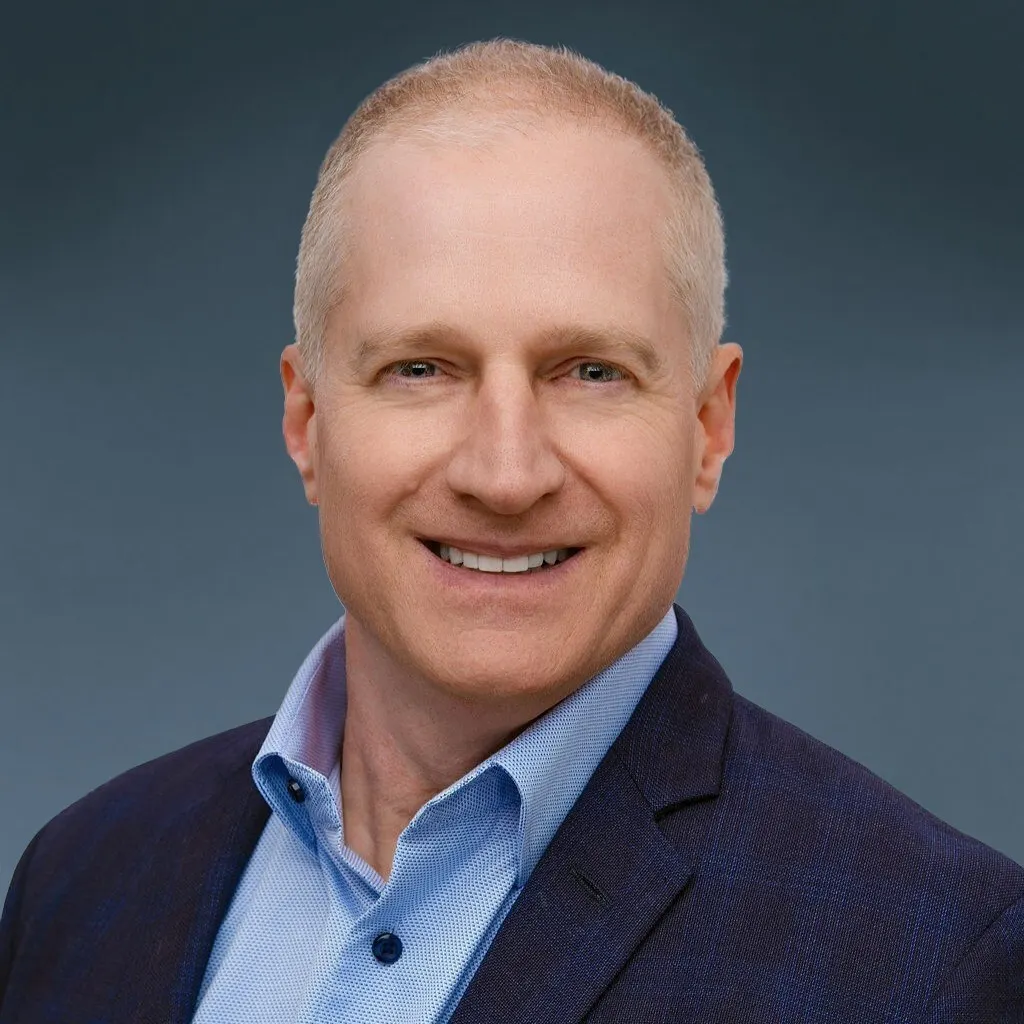
In a statement, Laird Norton CEO Brian McGuigan noted that the fresh partnership with CFO Selections will include “expanding into complementary markets.”
Founded in 2002, CFO Selections has carved out a niche providing fractional CFO services to small business clients, generally those with annual revenue under $100 million, according to Turner.
“We don’t run head-to-head with the larger financial consulting firms,” he said, though there is a “class of competitors in our space.”
Tracing the rise of fractional execs
The market for fractional CFO services catering to small- and medium-sized businesses isn’t necessarily a “cluttered landscape” in terms of competition, Turner notes. But other firms are vying for similar clients around the country. That includes the likes of firms such as Chicago-based Fiscal Advocate and Texas-based Maven Financial Partners. California-based Embarc Advisors is another.
Lance Geda, senior director at the company, said his firm has found a niche providing fractional CFO services to clients in the “lower middle market,” those with annual revenue between around $5 million and $25 million. The 10-year-old company’s financial advisory services are an outgrowth of its origin providing advice on mergers and acquisitions for small business clients.
Geda said his chief aim when providing financial services to small business clients is first to “better understand the culture” of the company. Only after that will he begin offering advice. “A lot of times, you’re coming into businesses that people have been running for 20 or 30 years,” he said of small business clients.
Some firms tend to lean on fractional CFO services when they’re in rapid growth mode, he noted.
Christopher Krohn, adjunct professor of marketing at the University of Chicago Booth School of Business and former VP at freelance talent search firm Toptal, said that’s a common reason many small businesses seek fractional executive services. “They may want a CFO-level individual to help guide through challenges, but they might not be able to afford a full-time CFO,” he said.
He said that fractional CFO businesses began to emerge around 40 or 50 years ago.
Since then, that’s expanded to other fractional C-level roles, including fractional chief marketing officers, chief technology officers and others.
Though the precise role of the CFO is in flux these days, the position has been “fairly well defined” for decades, which is likely why fractional CFO services were among the first to debut on the market, Krohn suggested.
“If you dial back 50 years ago and asked someone to define what a chief technology officer did, there would be a lot of different answers back then and a lot of confusion,” he said. “Whereas 50 years ago, everyone knew what a CFO did.”