After more than a decade as a CFO, Jim Silvestri has just made his biggest career bet yet: buying a 30-year-old Italian market on Long Island.
Silvestri held CFO roles at five companies between 2012 and 2026, most recently at cultural resources consulting firm Chronicle Heritage.
His career spanned manufacturing and then private equity-backed businesses, including helping grow one company from about $70 million in revenue to $145 million before preparing it for a sale. In the buildup to CFO, he spent more than eight years as controller at guitar string maker D’Addario & Co.
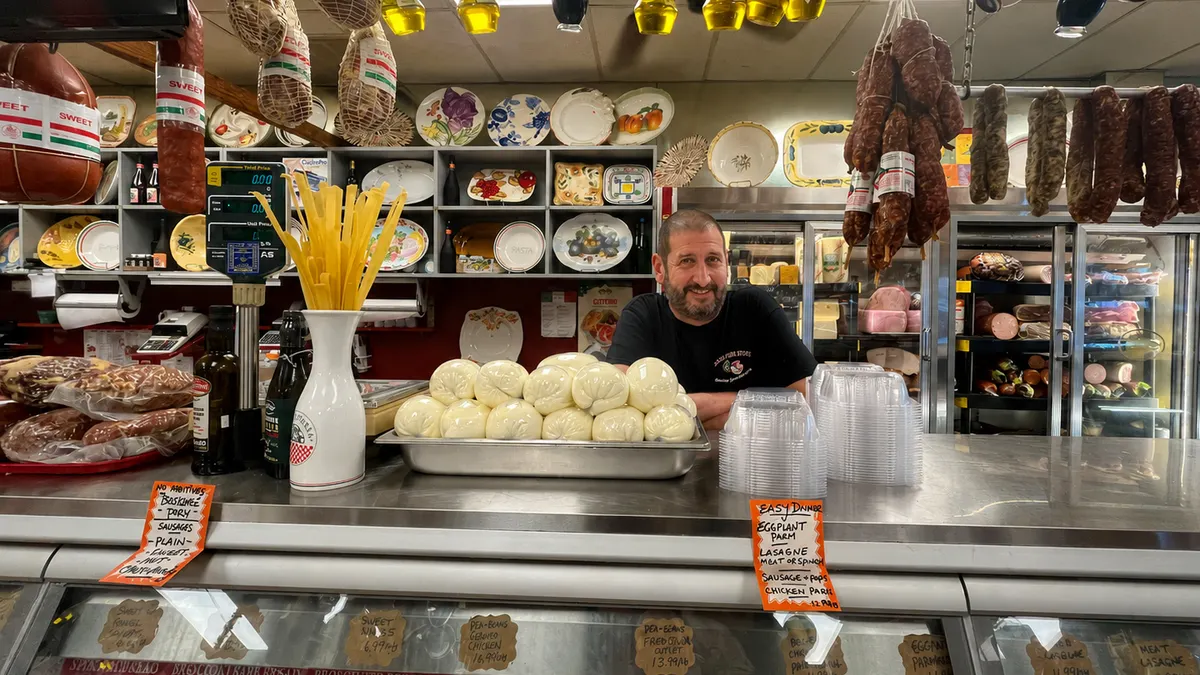
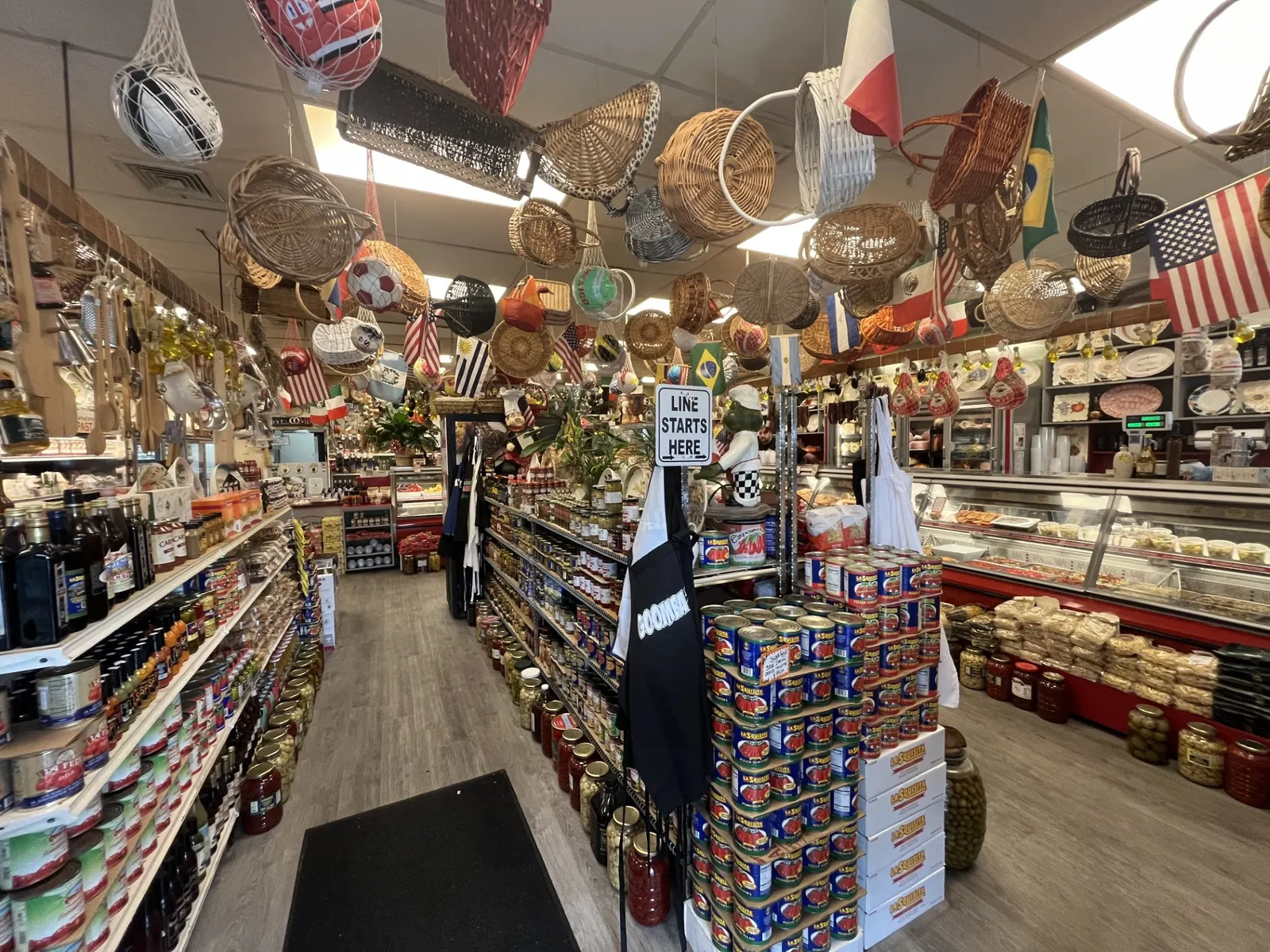
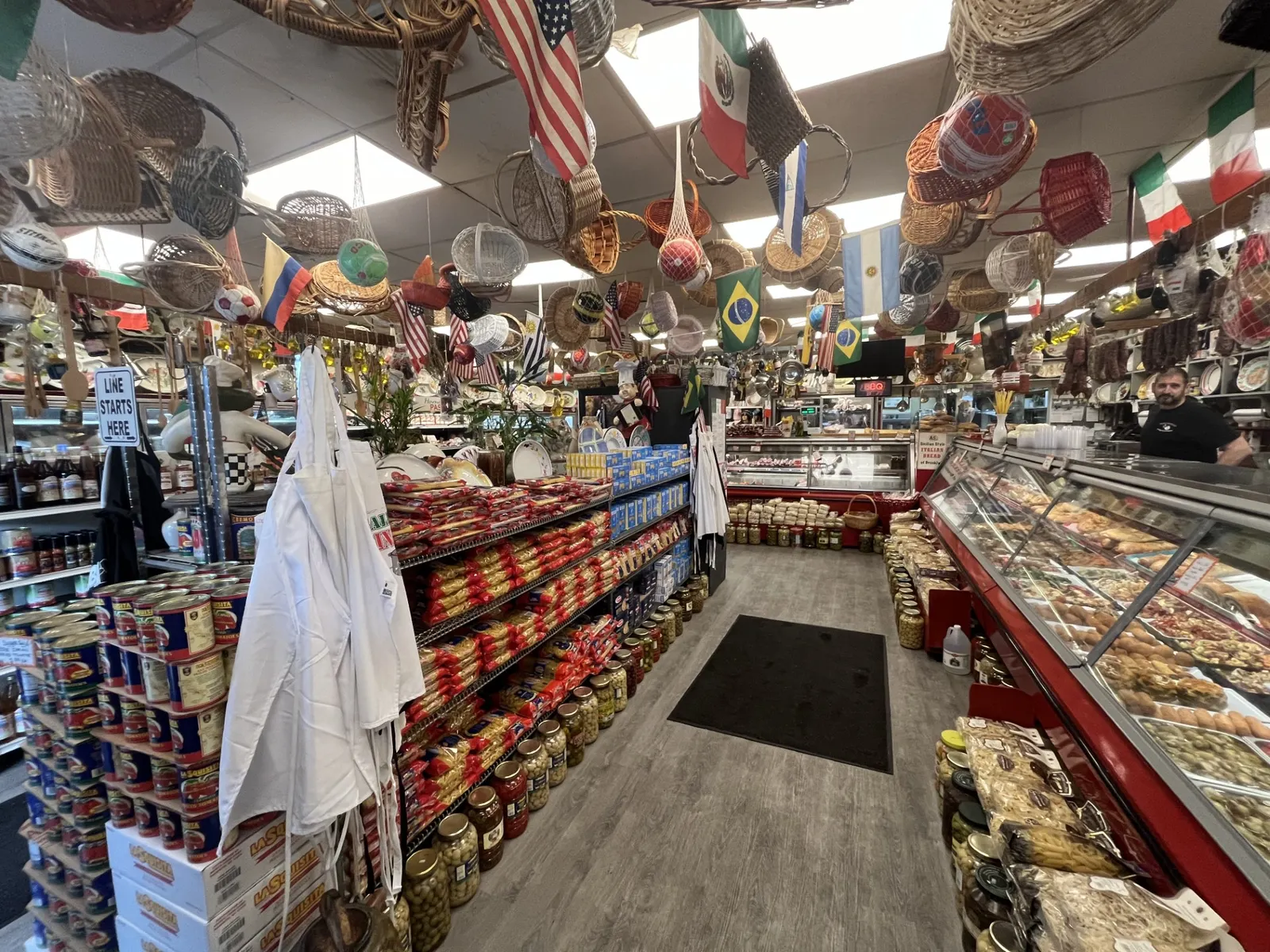
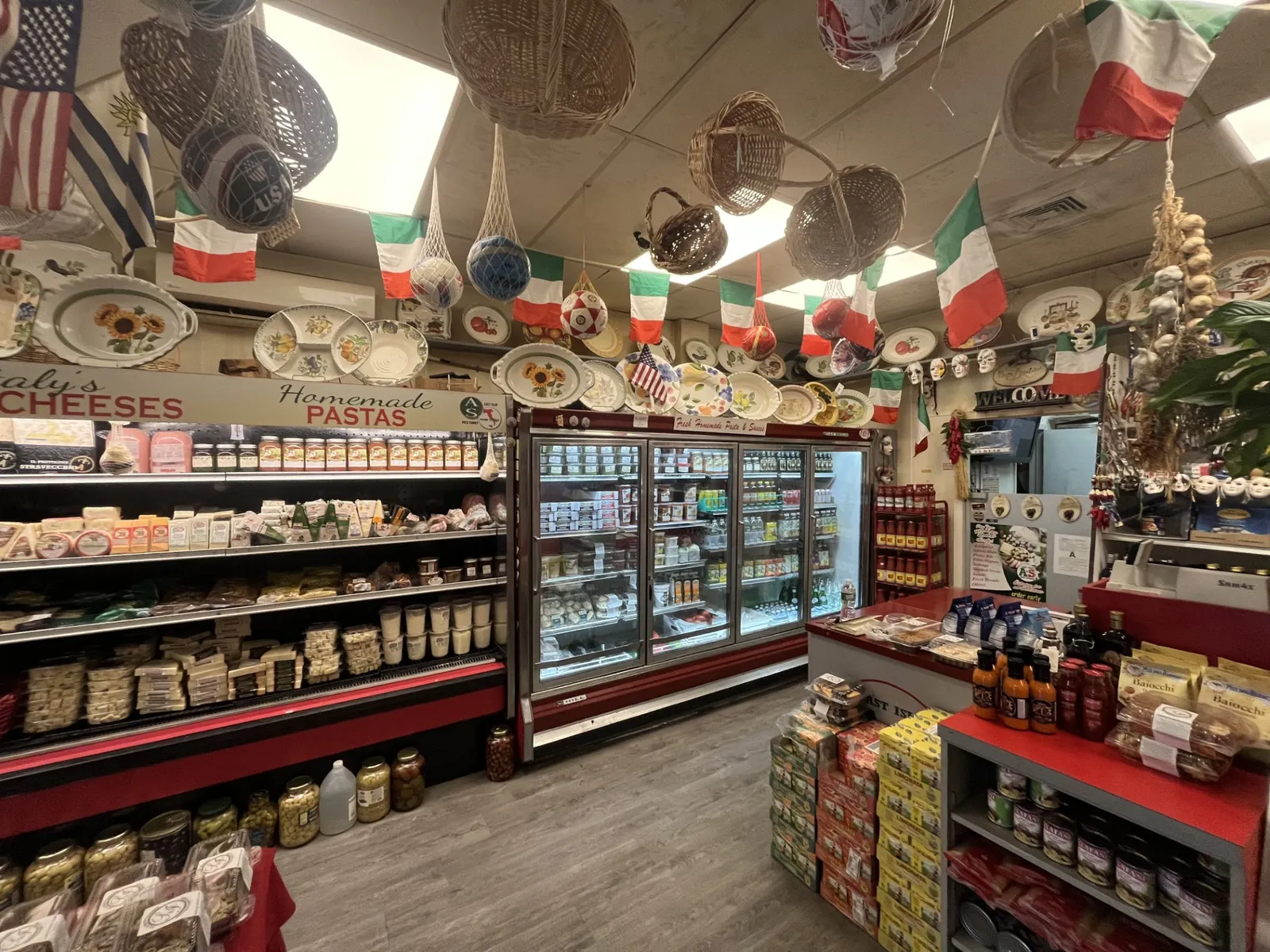
Then this summer, Silvestri decided to put that experience to work on a much smaller business that was entirely his own. In July, he kicked off Silvestri Fine Italian Foods and bought the A*S Pork Store in East Islip, New York, a longtime Italian market, butcher shop and caterer.
The A*S name and brand traces its roots to a family-run market in Brooklyn before the nomenclature spread across the New York tri-state area. Silvestri estimates there are now 20 to 30 locations, though each is independently owned and not part of a franchise system. He has never paid any naming fees and pointed out that even details of the name vary by store, with different symbols or words between the “A” and the “S.”
On his side, this is a move Silvestri had been building for years. A cancer diagnosis in 2020 made him rethink how he wanted to spend his time, but the demands of being a CFO kept him working up to 80-hour weeks. When the cancer returned in 2024, he knew he couldn’t keep putting off plans to do something different.
After getting the all-clear last year from doctors regarding his health, Silvestri decided it was time to make the move. “Accounting was a career,” he said. “It was a great career. I did very well, but this is a calling.”
Taking the leap without betting the house
Silvestri approached the jump into business ownership much like he approached investments as a CFO: understand the downside before putting money at risk.
Before making the move, he kept the plan quiet. He told his wife, lawyer and financial adviser. When he finally announced the acquisition publicly, many friends and former colleagues had no idea it was coming.
His personal financial position had changed, too. His youngest child had turned 22 years old, and his household obligations looked different than they did just years earlier, when he first started seriously thinking about walking away from corporate finance. That gave him more room to make the move, but he still wanted to know how much risk he was taking before giving up a private equity CFO paycheck.
This also was not his first look at buying an Italian market. Around the time of the pandemic, a pasta store closer to his home on the North Shore of Long Island came up for sale, but the owner wanted to sell it with an attached restaurant. Silvestri had worked as a cook in Italian restaurants earlier in his life and knew enough about the restaurant business to know that was not what he wanted to buy.
He had also tried business ownership before. In 2017, Silvestri bought a health food distribution company as a side hustle. Family circumstances made it difficult to give the business enough attention, and he eventually sold it. When he decided to try again, he went back to the broker who had helped him buy and sell that company, this time looking for something he could run full time.
Now that he has made the jump, other finance professionals are asking him how they might do the same. At a recent gathering in his personal life, someone on the partner track at a large accounting firm sought Silvestri out after seeing what he had done via his LinkedIn posts. This person is currently about two years away from potentially becoming a partner and is thinking about whether he wanted to walk away before reaching that point. He confided in Silvestri for career advice.
Silvestri started asking him the same kinds of questions he had asked himself when buying A*S. How much savings do you have set aside if it does not work? How much runway are you giving yourself to build the business? What have you done to prepare before leaving?
For Silvestri, making the leap came down to figuring out how much of the risk he could mitigate ahead of time, then deciding whether the remaining risk was worth taking.
“I let fear keep me from doing this for five years,” he said. “But at least I finally did it.”
The CFO mindset behind the counter
With more than 30 years in accounting and finance behind him, Silvestri is running the market with the same interest in the numbers that followed him through his CFO career, even if the metrics he watches these days look a little different.
Like many CFOs of small businesses, he’s using QuickBooks for accounting. For his point-of-sale transactions, he uses Clover and has been downloading transaction data to get a better feel for the rhythms of the business. He is looking at average ticket size and daily sales, then digging into when customers actually come through the door.
“I don’t want to make some type of viral sandwich [for example] and create a flash-in-the-pan kind of situation where I have a revenue spike for 30 days that is followed by me losing a large portion of our regular customers.”

- Jim Silvestri
Owner, Silvestri Fine Italian Foods and A*S Pork Store
“If I know I’m busy every day between 12 and two, then I don’t necessarily need to drive traffic to the store during that time,” he said. “The challenge for us is, how do I get people into the store between two and four?”
When it comes to purchasing, better data could give Silvestri a clearer picture of what needs to be in the case and on the shelves. Though demand can change quickly in the food business, he explained.
“Someday everybody comes in and orders steak. Someday everybody comes in and orders chicken. Some days it’s a mix,” Silvestri said. “No day has been the same as the prior day.”
He is considering a more capable POS system that would let him track sales at the item level and see exactly what is moving through the store. Getting that information comes with a cost, though.
More detailed tracking would mean building out SKUs and UPCs for products that have never needed them, along with adding more steps for employees. Before doing that, Silvestri wants to know if “the juice is going to be worth the squeeze.” After all, he said, the store has operated successfully for decades without that level of data.
On the sales side, Silvestri is taking a similarly measured approach to growth. Alpine Pastry Shoppe in nearby Smithtown has seen lines out the door after its rainbow cookie doughnut went viral, the type of signature product that can suddenly bring a wave of new customers into a local food business.
Asked whether he would chase something similar at A*S, Silvestri said he is wary of what that kind of overnight attention could do to a store with such an established customer base.
“I don’t want to make some type of viral sandwich [for example] and create a flash-in-the-pan kind of situation where I have a revenue spike for 30 days that is followed by me losing a large portion of our regular customers,” he said.
For now, smaller additions to the business are more his speed. The store recently went live on DoorDash, which comes with enough fees that Silvestri, admittingly, has to charge more for delivery orders than he does inside the store. He sees those orders as incremental, coming from customers who may be busy or simply do not want to leave their house.
Five extra sandwiches a day at around $20 each, by the former CFO’s math, works out to roughly $100 in daily sales, $700 a week and about $35,000 a year.
“I’m not looking to hit home runs right out of the gate,” Silvestri said. “I want to hit a bunt single, meaning I want to make some incremental changes because this is a really good business model.”
Before trying anything that could create that line out the door, Silvestri wants to “get through my first holiday season to see what that’s like.” After that, he said, he can start thinking about what the business could handle on a larger scale.
Within his first few weeks of ownership, Silvestri also ran into an “unanticipated cash flow problem” that would have been familiar in any of his previous CFO jobs. Some longtime suppliers moved the business from payment terms to cash on delivery when ownership changed, putting some additional pressure on cash as he took over.
Expecting a bit more of a transition period with the seller, Silvestri thought he would be introduced to suppliers that had worked with the market for years. Instead, he found himself rebuilding some of those relationships on his own. One of the larger suppliers that initially put him on COD restored payment terms after he paid his first two bills.
The cash crunch also made Silvestri’s longtime approach to company money literal. “You don’t become successful as a CFO by treating it as other people’s money,” he said. “I’ve always kind of had this ‘it’s my money’ mentality, even though it wasn’t.”
That mentality got tested quickly when the ownership change temporarily shortened some of his supplier payment windows from weeks to essentially zero. As those supplier relationships normalize, Silvestri is getting to the part of ownership he was looking forward to: deciding for himself where the next dollar should go.
“The difference is I’m setting the priority as opposed to having a board set the priority or a CEO set the priority. If I’ve got 10 things to invest in, I’m going to pick the one that I think has the best return.”
You can take the CFO out of private equity…
Silvestri spent years building toward what he viewed as one of the toughest jobs in finance: a private equity CFO. For his career path, he considered that role a professional peak.
But the job meant operating with limited resources while trying to keep the CEO and the private equity owner aligned. He called this managing a “two-headed dragon.”
“Could I manage the store successfully, live out my dream, and then put my CFO hat back on and go figure out how to get some private equity money to go buy 10 of these things and build a little bit of a sausage empire?”
- Jim Silvestri
Owner, Silvestri Fine Italian Foods and A*S Pork Store
“You have to manage your CEO relationship, and you have to manage the private equity board relationship as well,” he said.
The difficult part comes when those two sides want different things. The CFO still has to preserve credibility with the sponsor while supporting the CEO running the company, often while the business is being restructured and the finance team is being asked to do more with less.
Years spent around that model have now given Silvestri a funny but real problem in his new life. He has trouble looking at one business without wondering what five more could become and what it would take to build that.
“Could I manage the store successfully, live out my dream and then put my CFO hat back on and go figure out how to get some private equity money to go buy 10 of these things and build a little bit of a sausage empire?”
Silvestri is still figuring out whether he even wants to take it that far. A single successful store could give him the life he wanted when he left corporate finance, though the CFO side of his brain keeps pulling him toward what comes next.
“Why just one store?” he said. “Why not five? Why not franchise? Why not get private equity involved?”
Follow that instinct far enough, and Silvestri could end up building the same kind of PE-backed business he spent more than a decade helping run and years thinking about how to get away from.
“I want to succeed now with one store,” he said. “Then, let’s see where that goes.”
The return he can actually see
One thing Silvestri likes about owning the market is that he does not have to wait very long to find out whether an idea is working.
Sometimes, the proof is the DoorDash tablet going off in his office. Each notification means another order coming through a sales channel the store did not have before he took over.
“Tangible evidence of something working is a great motivator,” Silvestri said.
He saw the same thing after putting together tailgate packages for the upcoming football season. Within minutes of posting the flyer online, a friend he used to attend New York Giants games with when he was a season ticket holder called asking about placing an order.
“My friend who we call ‘Crazy Tony’ calls me and goes, ‘Hey, how much notice do I need to give you for one of these packages?’” Silvestri said. “When you do something like that, and you see immediate results, it motivates you to keep doing more things like that.”
After years spent evaluating investments where the payoff could take months or years to show up, Silvestri is enjoying getting some of that feedback almost immediately. A new idea can turn into an order that same day, while a new product can quickly become something customers come back asking for.
Some of those products have a history that goes back long before Silvestri bought the store.
His family began holding large reunions in 1980, sometimes drawing hundreds of people. His father developed a burger recipe for the gatherings and would make hundreds of them at a time. After his father died, Silvestri took over making them. Now, he sells a version of his father’s burger at A*S.
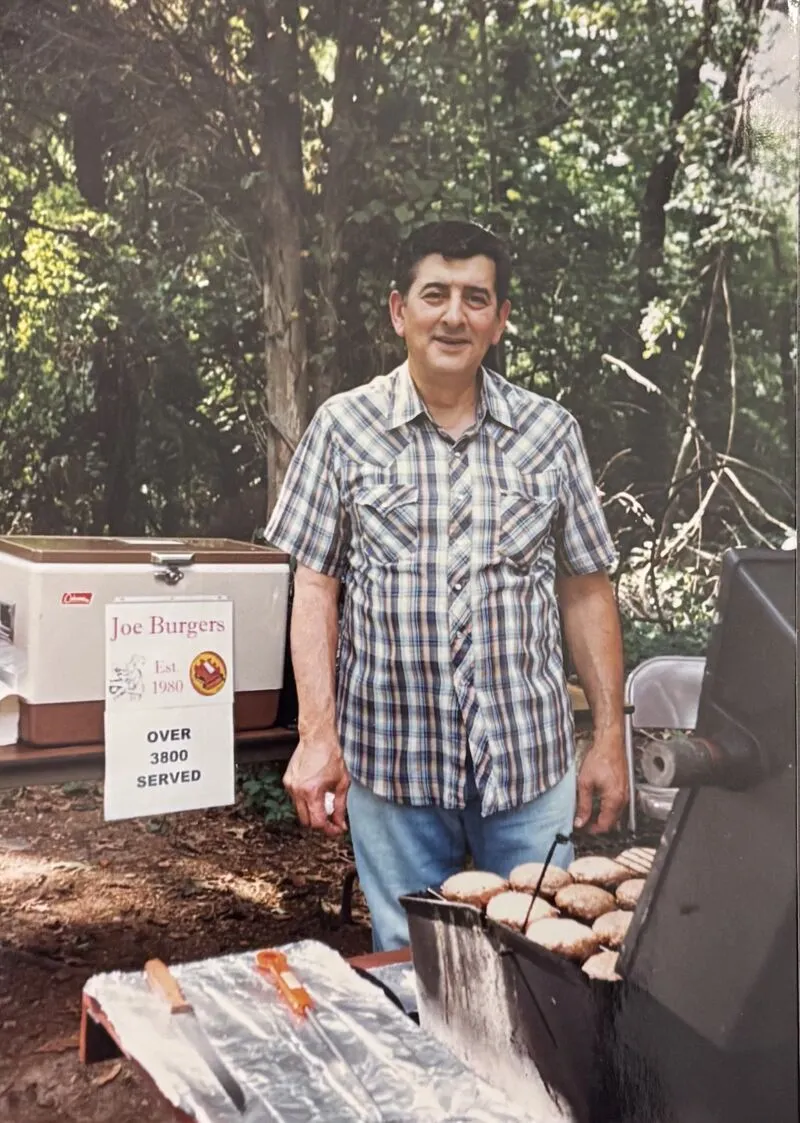
“I get a little kick out of people coming in and saying, ‘Wow, that burger was really good,’” Silvestri said. “They don’t know it’s my dad’s recipe.”
His grandmother’s potato pie has made its way into the store, too, adapted into a croquette. For the market’s grand opening, Silvestri plans to put up photos of family members behind some of those traditions and recipes.
His daughters could eventually have a role in the business as well. His oldest daughter plans to work at the store part time, while his younger daughter, an artist who is good with social media, could help with photography and marketing.
“Having lost my parents, having survived cancer twice, I think a lot about legacy and tradition,” Silvestri said. “That’s why this is a calling for me. This isn’t something that I just woke up one day and said, ‘I think I’m going to change careers.’ I’m here because I want to be.”