So you landed a new job that finally gave you the CFO and chief operating officer title you wanted. Now what?
For Michael Dillon, the answer is to, unironically, shoot his shot.
Dillon spent nearly four years as chief financial officer of the National Hockey League’s Pittsburgh Penguins after eight years leading strategy and analytics for Major League Baseball’s Houston Astros.
Now a few months into his new role as CFO and COO of the National Basketball Association’s Minnesota Timberwolves and Women’s National Basketball Association’s Minnesota Lynx, he’s taking over as both franchises have a new ownership group with plenty of reasons to invest.
Dillon spoke with CFO.com about what led him to the dual role, why star player Anthony Edwards has the Timberwolves thinking more aggressively about investment and the opportunities he sees around the “gold standard” Lynx as the WNBA grows. He also discussed building a modern finance team and what his unconventional path to the CFO seat taught him about running a business.
Dillon will join CFO.com’s CFO Live 2026: The Future of Finance virtual event on Sept. 30 for a sports finance panel alongside Baltimore Orioles CFO Darline Llamas Llopis and Brooklyn Sports & Entertainment CFO Peter Stern. You can register for the event here.
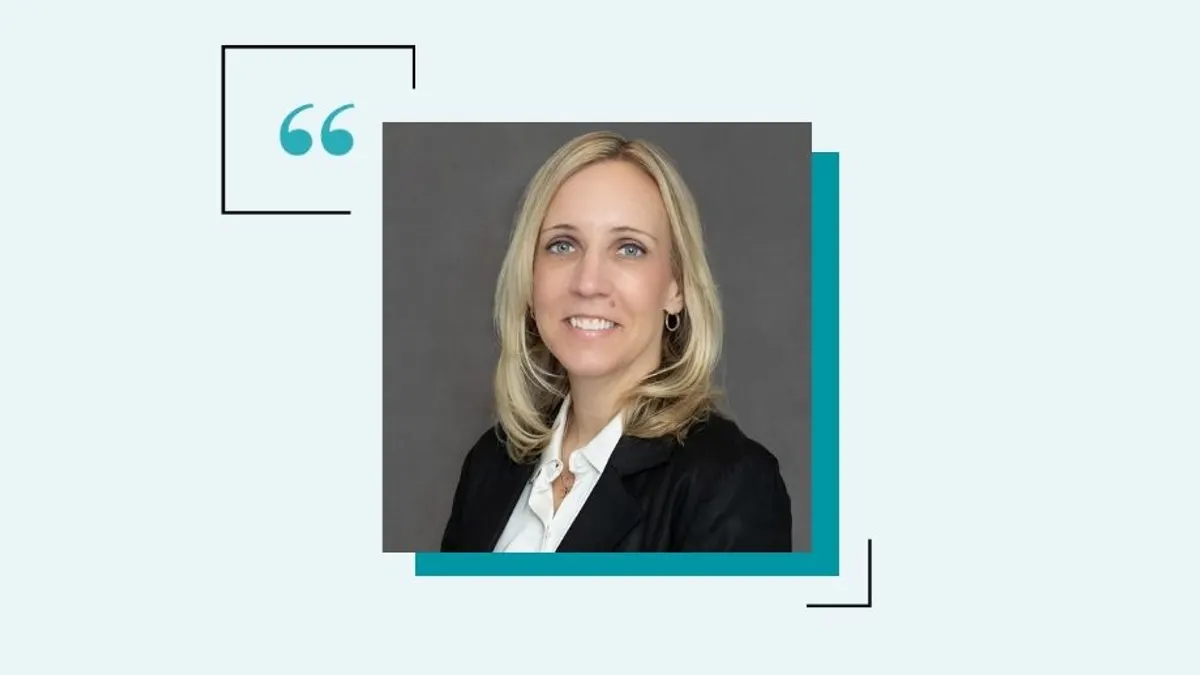
Michael Dillon
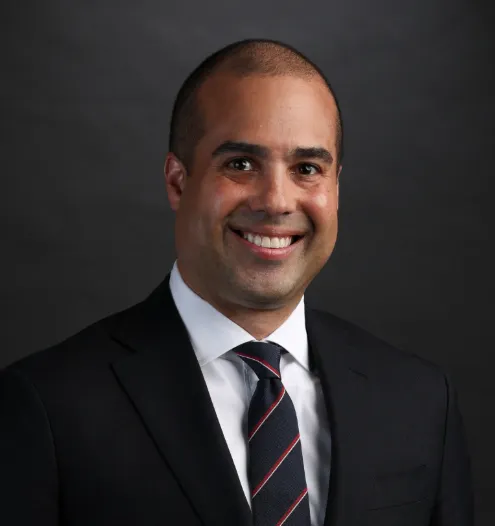
CFO/COO, Minnesota Timberwolves and Minnesota Lynx
First CFO Position: 2022
Notable previous employers:
- Pittsburgh Penguins
- Houston Astros
- Bain & Company
This interview has been edited for brevity and clarity.
ADAM ZAKI: You now hold both the CFO and COO titles. Was having formal operational duties something you were specifically looking for in your next role? What does the COO title add to your duties?
MICHAEL DILLON: Absolutely, it was. As I thought about my career progression, having that formal COO title and responsibility was very important to me. I have a nontraditional background for a CFO, coming out of strategy and analytics, so I’ve probably always been more rooted in the operational side.
As a CFO, the most important thing is making sure the numbers are pristine. But then it becomes much more about how you drive the business, and I think that’s where the COO position dovetails nicely.
In sports, you have people focused on revenue, but you want to bring it down to cash flow. More sophisticated owners care about cash flow, and that’s where the COO lens comes in. I can meet with the different business unit leaders and think about their objectives. I care about driving revenue, but I want to do it as efficiently as possible.
How are we operating? What structure do we have? How can we use technology to do things more efficiently than we have in the past? That’s an important lens I can bring. Then, on the CFO side, I can translate those operational opportunities into what they mean for our financials.
You just crossed 100 days in the role. What has the onboarding process been like going from the NHL to the NBA, and what have been the biggest differences from your onboarding in other roles?
I’m fortunate that the NHL and NBA are both [salary] cap-structured leagues. Sometimes the hardest thing when you move from a non-cap league to a cap league is understanding the mechanics that underpin that and the reporting requirements that come out of that structure. At least I had some familiarity with that coming from my time in the NHL.
In terms of the first 100 days, the most fundamental thing is diving into the numbers and understanding everything from revenue and expenses to the different business units. Why are things reported the way they are and have been in the past?
Then it’s spending a lot of time meeting with the different business unit leaders. How do they think about their businesses? What are their priorities? Where do they think some of the future opportunities are?
That gives me the facts as the building blocks, but also helps me understand how the business has been operating and where we want to go. As a CFO, I want to be much more than reporting historical facts and figures. It’s really making sure our financial structure is aligned with the key priorities of the organization.
You’ve spent time in analytics, consulting and strategy. Looking back, what parts of your career prepared you most for becoming a CFO?
The foundation I was able to build at Bain helped me identify key problems and questions very quickly and figure out what was most important. It’s helped me prioritize throughout my career.
In sports, the Astros were a great platform to learn how to drive value on the business side. When I joined the team in 2012, it was at the beginning of a full rebuild on the baseball side as well as the business side. We had to quickly understand what was important, what we should focus on to drive value and how to do it with the long term in mind.
I started with the Astros when attendance was low and then saw it through a World Series win and multiple ALCS appearances. When a team wins, anyone can grow the business. But we had that discipline starting in 2012, with a long-range plan and seeing it through.
That was valuable from a CFO perspective because sometimes you’re tempted to take the shortcut and maybe get that sugar high or quick burst. I learned early on to take a long-term approach. Understand that you want to drive long-term value, maximize effectiveness and efficiency, and have that plan from day one. That’s what is going to get you to the best outcome.
CFOs seem split on the idea of a single source of truth. Given your analytics background, where do you fall?
I’m very much in the single source of truth camp. People have limited bandwidth, and if your organization is presenting two different numbers for what ticket revenue is, what are you talking about? You have to have a common language and a common foundation to set the stage for any strategy or tactics you want to deploy.
"I want someone who has the capacity to look beyond the numbers and proactively surface opportunities to me. Even on the accounting side, I have that expectation."

Michael Dillon
CFO/COO, Minnesota Timberwolves and Minnesota Lynx
There are going to be some differences. Some of the numbers I have to report to the league are going to be different from the numbers we report internally. That part is OK, as long as you’re crystal clear on why things are the way they are and it’s easy to translate between them.
But as much as possible, you want to have a common fact base that you’re talking to as a business. That’s been something I’ll be very focused on here.
You also had a stint as a co-founder of Simple Seats. What did you learn as an entrepreneur that you’ve brought into your role as a CFO and COO?
One thing I stress with the team here is to always challenge the status quo. Always ask why we’re doing things the way we have been. Have the facts changed? Should we be doing something differently?
Simple Seats came from thinking about the ticket-buying experience in sports and how it pales in comparison to the consumer experience in almost any other area online. A lot of fees get tacked onto the purchase, and it can be hard to find the seat you want. If anyone were drawing that experience up from scratch, it wouldn’t look the way it did.
We thought about how that experience could change for different types of fans. The main selling point was no fees, but we also asked whether everyone needed to pick a specific seat. Maybe some people just care about sitting in one of five areas, paying a simple $29 price and finding out their exact seat after the purchase.
We also focused on things like simplifying the buying process, minimizing clicks to purchase and changing how we marketed, spending less on search and using influencers to demonstrate the value of the product.
The Timberwolves have one of the NBA’s biggest young stars in Anthony Edwards. When you have a player like that and the organization’s profile is rising, how does it change the way you think about investment, capital allocation and marketing spend?
We’re definitely fortunate. On the NBA side, Anthony Edwards is a tremendous player and an incredibly marketable person to have on the team. I think you evaluate your horizon a little bit differently because the time to capitalize, the time to go all in, is now.
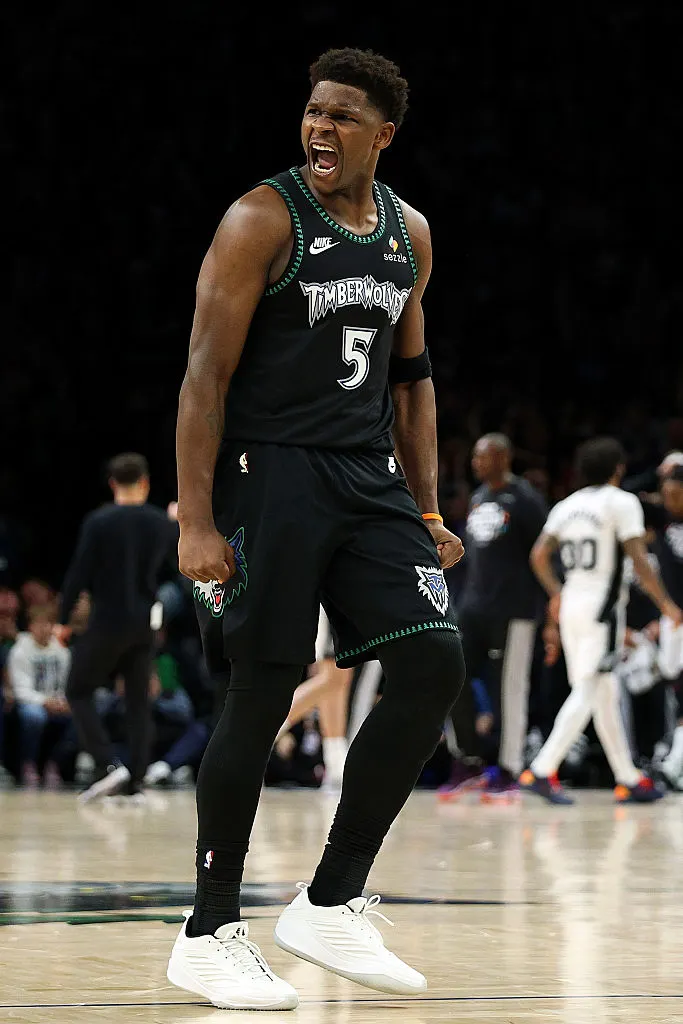
You hope to get a player of that caliber, and once you do, we’ve already seen what can happen. Early in his career, we’ve had two Western Conference Finals appearances. We have a great front office on the basketball side, and you look at some of the moves they made this past offseason. I think it will be a very exciting team, and you see that with us getting the first Christmas Day game we’ve ever had.
The profile of the organization has increased, and that’s something we have to be cognizant of as we evaluate what we want this upcoming year to look like. We’ll probably be a little more aggressive in the investment phase because we see the potential for return being so much higher.
Even on the Lynx side, you look at the success of the team. That was one of the things that interested me so much in this opportunity. It’s not just the NBA. You have the WNBA, and the Lynx are very much the gold standard in the WNBA.
The team has gotten off to a tremendous start to the season. Olivia Miles is a transcendent player even as a rookie, and that’s before you get to Napheesa Collier and the other players on the team. In addition to what’s going on in the NBA, there’s a lot of room for investment on the WNBA side. That personally excites me, and it’s something we spend a lot of time thinking about on the business side.
As professional sports has expanded beyond tickets and merchandise into a much broader entertainment business, how have the demands on finance talent changed? What are you looking for as you build out your finance team?
The role has very much changed. There might have been a time when the CFO’s day-to-day essentially looked like a controller-type job. That has changed, and because the nature of the CFO job has changed, the demands have increased at each level below.
When I look for a controller or director of accounting, yes, you have to get the numbers right. Having systems and processes that are repeatable and accurate is non-negotiable. But I want someone who has the capacity to look beyond the numbers and proactively surface opportunities to me. Even on the accounting side, I have that expectation.
You’ll also see teams investing more in FP&A. That’s an extremely critical function, and the level of sophistication and capabilities demanded from that role have definitely changed.
With the sophisticated ownership groups coming into sports, you need monthly updates and reforecasts for the business. It’s not just the P&L. You can’t just say, “Here’s the cash, it’s up or down versus budget.” You need to explain why and what you’re going to do about it.
You need somebody on the team who can run through that analysis very quickly. Adding that position was actually one of my first hires here.
Your career has taken you from Virginia to Boston, Houston, Pittsburgh and now Minnesota. What have you learned about relocating for career opportunities and getting acclimated to a new place?
It’s tough, and it doesn’t come without personal sacrifice. My wife is a partner at a law firm, and we have a three-year-old. When I was making the move to Pittsburgh, my wife found out she was pregnant.
There are a lot of careers where you have to have that geographic flexibility in order to advance. That’s something I’m OK with and have actually enjoyed. I’m very thankful to have a wife who has been able to take on additional responsibilities and burdens in her own life to help me move forward in my career.
In terms of getting adjusted to different places, the biggest thing is to go out, walk around and talk to people. I know that sounds simple, but explore. Do the touristy things and the non-touristy things. Try restaurants and join professional groups.
In sports, make connections with your peers on other teams. Use your key banking relationships to introduce you to other CFOs and senior executives in the city. I’ve found that to be the easiest way to get acclimated. Once you build that initial set of relationships, it becomes much easier to make more.
Sports is an easy way to do that because you always have an event you can invite someone to.