The American dream has long been tied to owning a business. But as the U.S. experiences millions of baby boomer entrepreneurs near retirement, many are discovering that finding the right successor can be just as difficult as building the company in the first place.
That's the challenge American Operator is trying to solve. The company acquires founder-owned small businesses from retiring owners and partners and transitions them to the next generation of owner-operators through what it calls an "operate-to-own" model. CFO Michael Friedman believes the approach is creating a new asset class while helping talented operators break out of what he calls the "employee class" and become business owners.
In this interview, he discusses why he took on his first CFO role, how he's building the finance function from the ground up, what he thinks private equity gets right and why he believes a different ownership model can strengthen American small businesses.
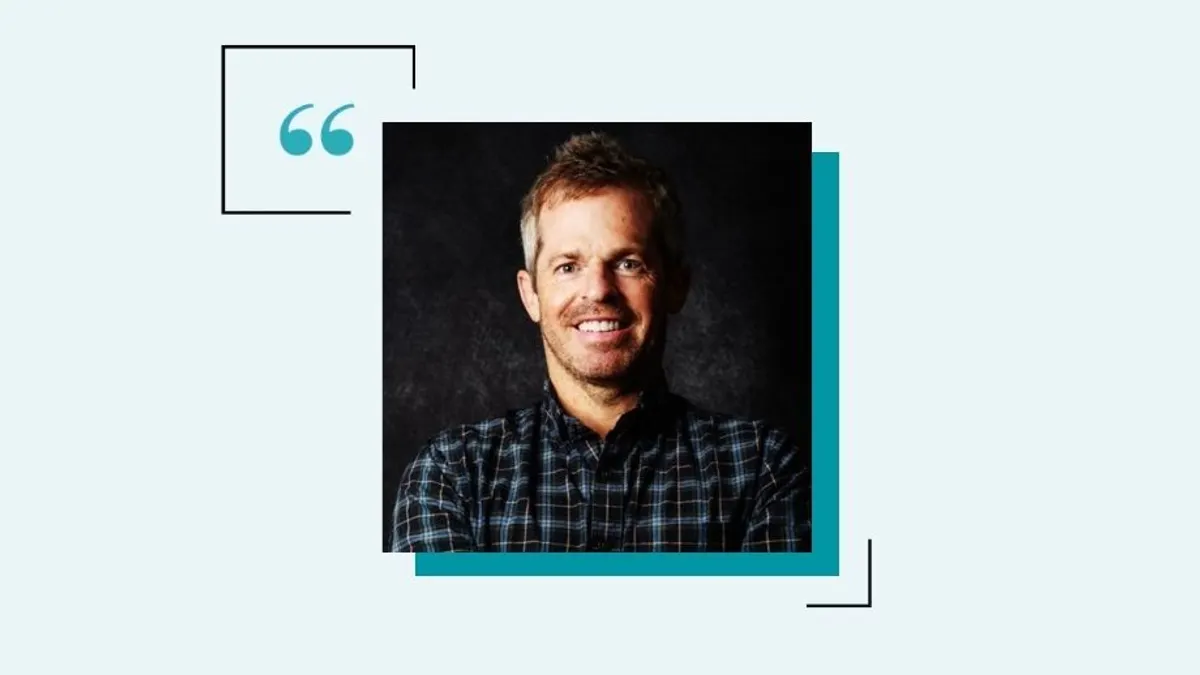
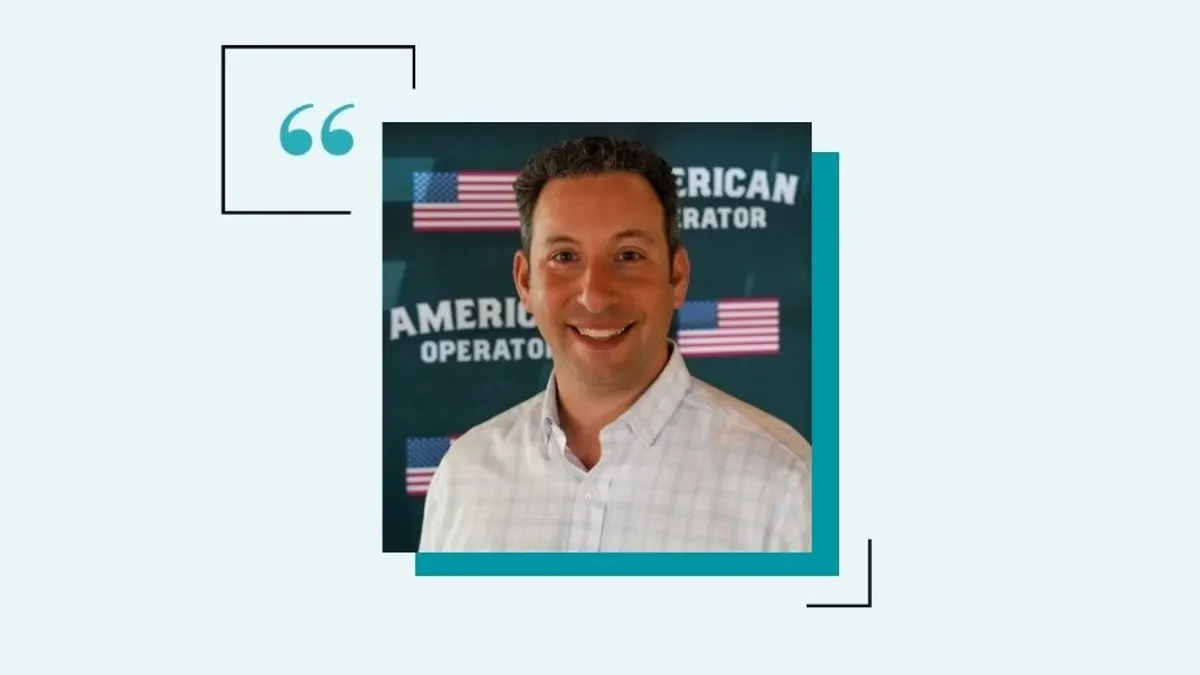
Michael Friedman
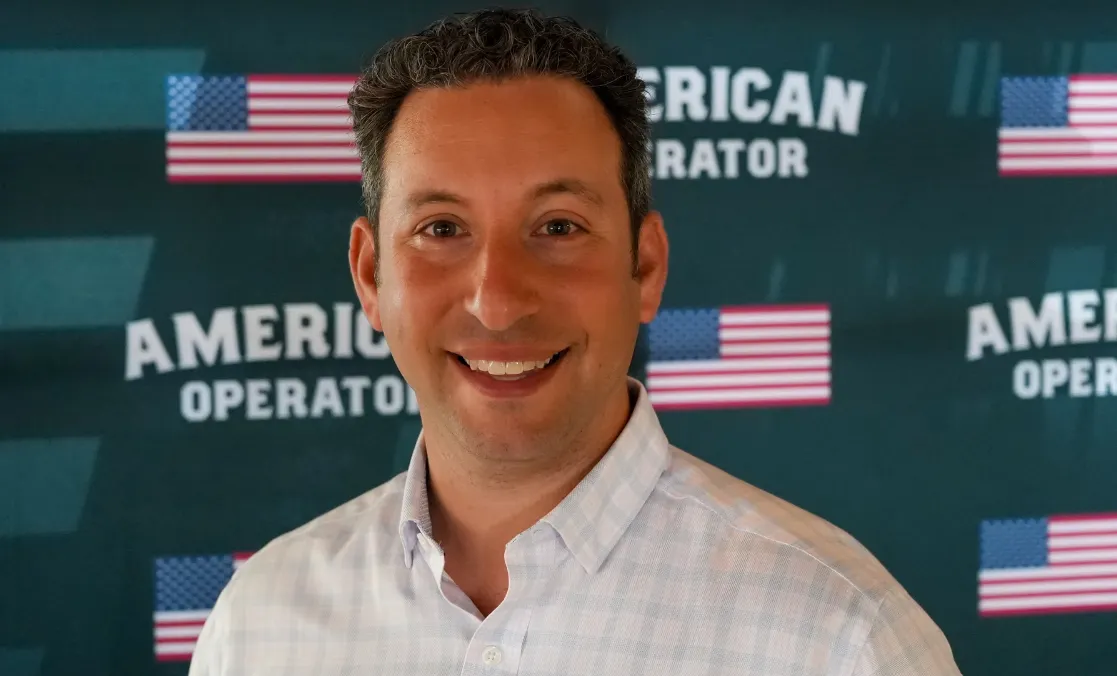
CFO, American Operator
First CFO Position: 2026
Notable previous employers:
- Dotdash Meredith
- Wiborg Capital
- Amici Capital
This interview has been edited for brevity and clarity.
ADAM ZAKI: After seven years at Dotdash Meredith, including the last four and a half years as SVP of finance and strategy, what made this the opportunity for you?
MICHAEL FRIEDMAN: I joined Dotdash, now People Inc., as the No. 2 finance executive after spending a decade on Wall Street. At the time, the company generated about $100 million in revenue and was just above break-even EBITDA. In my first three years, we tripled the business, largely through organic growth and some tuck-in acquisitions.
I then led the largest acquisition in IAC's history, the $2.5 billion acquisition of Meredith, which created the largest digital publisher in the U.S. After an 18-month integration, we accelerated growth and grew 10 consecutive quarters of [high single digits/low double digits] in the face of AI, bucking the industry trend. Today the Digital business is over $1 billion in revenue and more than $300 million in EBITDA.
It was an incredible first operating experience; I could not have scripted it any better. A crash course ranging from hyper-growth mode to M&A investment and fundraising. We accomplished a lot, and I am very proud of what we built. But after seven years, I also felt the urge to transition to a CFO seat.
Given my background, I thought private equity would be a natural transition. But as I began to evaluate opportunities, many of the PE CFO roles were investments that had stalled. They required significant restructurings to create OK exit returns. That wasn’t an overly exciting way to spend my life. I am attracted to growth and was focused on finding an opportunity with similar potential to when I joined Dotdash.
Then, Human Capital, the VC fund backing American Operator, called. The startup world was not on my radar, so I spent several months getting to know American Operator. I met multiple times with our CEO and founder Will Fry, visited the Austin headquarters to meet the team, and had many conversations with our VC backers. And the more I learned, the more I leaned in.
“The opportunity in front of us is significant. Our deal flow has been very strong, and the model is resonating with both business owners looking for succession solutions and prospective operators looking for ownership opportunities.”

Michael Friedman
CFO, American Operator
The [total addressable market] is massive, trillions of dollars. The solution is innovative and solves a real problem, and as someone whose family has a history of small business ownership, the mission really resonated with me.
Equally as important, I realized I could add a lot of value, and that my day-to-day would be spent doing the type of work I enjoy. Ultimately, I thought it would be a really fun opportunity, and I jumped at it.
You're about a month into the role. What are your priorities for your first year, and what challenges do you see in accomplishing them?
I think it starts with the problem we're trying to solve. We believe we're creating a new asset class through our operate-to-own model. Millions of small businesses in the U.S. are owned by baby boomers who don't have succession plans. Their children often don't want to take over, but many owners also don't want to sell to private equity or simply shut their businesses down because they're responsible for employees and the business is often their largest asset and retirement nest egg.
We think operate-to-own is a compelling solution. It helps transition healthy businesses to the next generation of operators while creating opportunities for people who otherwise may never have had the chance to own a business. Giving someone the opportunity to achieve the American dream of small business ownership is a big part of what attracted me to this company.
The opportunity in front of us is significant. Our deal flow has been very strong, and the model is resonating with both business owners looking for succession solutions and prospective operators looking for ownership opportunities. That gives us the ability to be selective about the businesses we pursue.
We've raised a $35 million Series B and are in the process of finalizing a sizable credit facility. That capital should allow us to grow from the three businesses we've acquired today to roughly 10 to 15 companies. At that point, we'll have demonstrated proof of concept, with the operating companies covering the holding company's expenses.
From there, my priorities are twofold. First, it's raising the capital we'll need to continue expanding the platform. Second, it's building the financial reporting infrastructure, controllership and systems needed to scale. If we're successful, we'll eventually own hundreds of businesses, and that requires a very different finance organization than the one we have today.
You mentioned many founders are reluctant to sell their businesses to private equity. Why do you think that is, and how does American Operator approach those conversations differently?
You're not going to hear me bashing private equity. That's not my goal. I think we offer a compelling alternative in certain situations, but I'm not here to criticize another industry.
If you put yourself in the seller's shoes, you'll find that many founders care about more than just maximizing the sale price. As a parent, the most selfless thing we do is sacrifice for our children. Business owners often feel the same way about the companies they've spent decades building. Their businesses are their legacy, and they're responsible for employees who have helped build that success. Protecting those people can be just as important as maximizing financial returns.
Our model isn't built around cutting costs, rolling businesses together or reducing headcount. Instead, we're trying to create an opportunity for the next generation of owners, giving someone else the chance to build wealth through business ownership. That idea of paying it forward really resonates with many founders.
There's another dynamic as well. Many small business owners have spent years competing against private equity-backed companies in their industries. They've watched competitors roll up businesses, hire away employees and compete aggressively for customers. For some founders, selling to one of those platforms can feel like joining the very competitor they've spent years trying to beat. That's certainly not true for everyone, but it's a real consideration for a meaningful group of sellers.
American Operator is built around finding the next generation of owner-operators. What qualities are you looking for in the people who will lead these businesses?
This is one of the aspects of the business I'm most excited about. We've had more than 5,000 people raise their hands and express interest in becoming an operator under this model, which has been tremendously validating. From that group, we've already identified hundreds of highly qualified candidates.
Many of these are talented operators who have the experience to run a business but may not have the financial resources to buy one on their own. We're able to help bridge that gap and allow them to achieve the ownership outcome they're capable of earning.
Sometimes they're entrepreneurs. Other times, they're experienced operators who are ready to lead a business for the first time as an owner. We generally look for people who have operated businesses before, even if they haven't owned one. About a third of the time, we're backing someone who's already working at the business we're acquiring because they know the company, the employees and the customers better than anyone.
“Their businesses are their legacy, and they’re responsible for employees who have helped build that success. Protecting those people can be just as important as maximizing financial returns.”
Michael Friedman
CFO, American Operator
The other piece of the model that I think is really unique is our adviser network. If you've spent your career running a $50 million, $100 million or $200 million business, you're probably not going to end up on the board of a Fortune 500 company when you retire. We've created an opportunity for those experienced operators to serve as board chairs and advisers for our portfolio companies.
They invest alongside us, help evaluate acquisition opportunities, assist with selecting operators and serve as mentors after the deal closes. They become a sounding board for the new owner, someone they can turn to with questions because they've already lived through those challenges themselves. We think that's a real differentiator in our model.
This is your first CFO role, and you’re the company’s first CFO. Is there someone you would turn to for advice as you step into this position?
I've worked for one CFO in my career, and that's Tim Quinn at People Inc. He's been a phenomenal mentor. In my goodbye letter, I wrote that one of my goals is to one day have a No. 2 look up to me the way I do to him.
I've only been gone about a month, so there's only so much I can lean on him right now, but over time, I know he'll continue to be an important sounding board. He's helped scale multiple businesses and, before joining Dotdash, led M&A at Amex. I've learned a tremendous amount from watching how he approached growth and strategy.
What stands out most, though, isn't just how he thinks about finance. It's how he uses finance to build consensus and lead people. Being a good steward of capital is important, but the human side of leadership and the strategic side of the role are just as important. That's what I've admired most about him, and it's something I hope to emulate as I grow into this role.
At the same time, I'm always looking to expand my network of CFO mentors, particularly people who have experience building venture-backed companies and raising capital. I think there's always something to learn from leaders who've been through those experiences before.